

In This Blog Post
Share This Article
- Last Updated: Aug 19, 2026
- 🔊 Listen
TL;DR
- QuickBooks helps automate bookkeeping, invoicing, payroll, and reporting from a single platform.
- It offers significant advantages over spreadsheet-based accounting as businesses grow.
- Real-time financial visibility offered by QuickBooks helps improve cash flow and decision-making.
QuickBooks is one of the most widely used accounting solutions for small businesses because it helps automate bookkeeping, invoicing, payroll, expense tracking, and financial reporting from a single platform. Instead of manually updating spreadsheets or juggling multiple tools, business owners can manage their finances in real time, reduce administrative work, and gain clearer visibility into their company’s financial health.
In this guide, you’ll learn why so many small businesses choose QuickBooks, the key benefits it offers, how it compares to spreadsheet-based accounting, and whether it’s the right fit for your business. By the end, you’ll have a clear understanding of how QuickBooks can help streamline financial management and support long-term business growth.

Get More from QuickBooks
Optimize Setup, Reduce Mistakes & Improve Financial Visibility
7 Reasons to Use QuickBooks for Small Businesses
If you’re wondering why you should use QuickBooks for small businesses, the answer comes down to automation, accuracy, and visibility. QuickBooks helps business owners simplify accounting, manage cash flow, and spend less time on financial admin tasks.
Here are more reasons why small businesses in US are using QuickBooks to streamline their workflows.
1. Automates Your Daily Bookkeeping
One of the biggest QuickBooks benefits for small business owners is automated bookkeeping. Instead of manually updating records, you can automatically categorize transactions, track expenses, and keep your accounts organized with less effort.
2. Makes Invoicing Faster and Easier
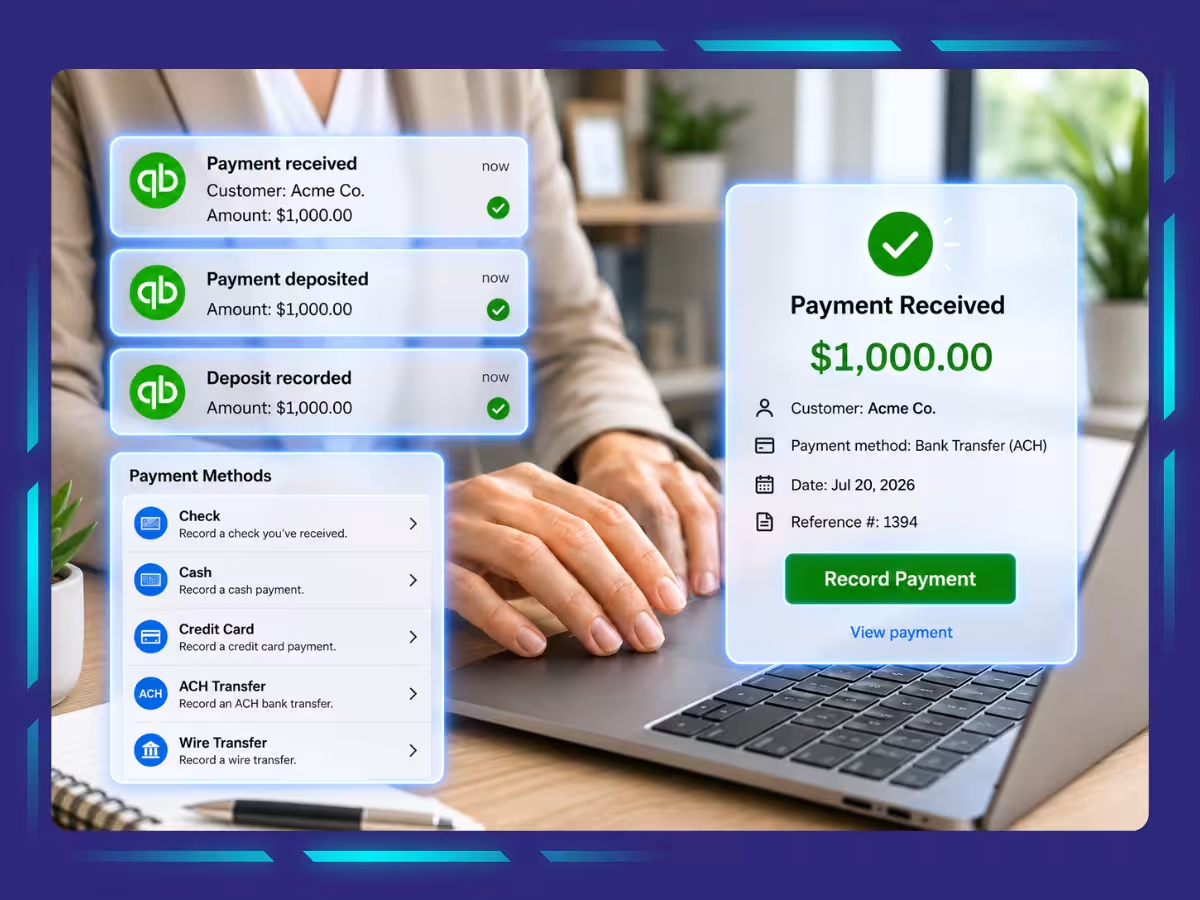
QuickBooks invoicing helps you create professional invoices, schedule recurring billing, and send payment reminders. This means you spend less time chasing payments and more time focusing on serving your customers.
3. Gives You Better Control of Cash Flow
Knowing where your money is coming from and where it’s going is critical. QuickBooks helps you monitor income, expenses, and outstanding invoices so you can make more confident business decisions.
4. Keeps Payroll and Accounting Together
With QuickBooks payroll integration, you can manage employee payments, payroll taxes (such as FICA, FUTA, and Income Tax), and accounting records from the same system. This reduces duplicate work and keeps financial data consistent.
5. Delivers Financial Reports in Minutes
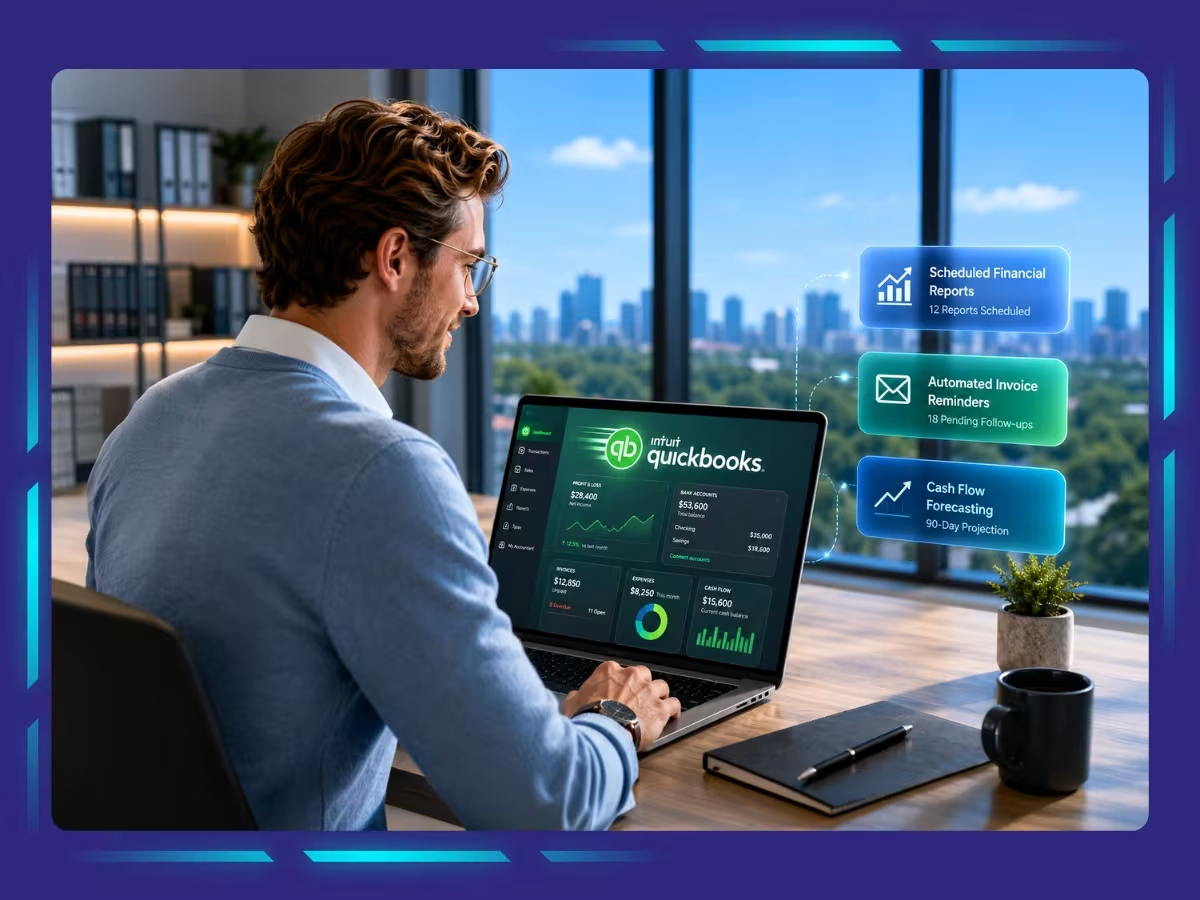
QuickBooks financial reporting features make it easy to generate profit and loss statements, balance sheets, and cash flow reports. You get the insights you need without spending hours building spreadsheets.
6. Lets You Access Your Finances Anywhere
As an AI-powered accounting software for US small business owners, QuickBooks Online gives you access to your books from virtually any device, making it easier to manage finances on the go.
7. Saves Valuable Time During Tax Season
Among the most valuable QuickBooks time-saving features is year-round financial organization. Because transactions and records stay updated, preparing for tax filing becomes significantly easier and less stressful.
What are the Common Questions About QuickBooks that Small Businesses Ask?
Many business owners considering QuickBooks have questions about its cost, features, ease of use, and whether they need professional support to manage it effectively. While the software can simplify day-to-day accounting, working with a QuickBooks accountant can help ensure the setup, bookkeeping, reconciliations, and financial reporting are handled correctly. Here are answers to some of the most common questions to help you decide whether QuickBooks is the right accounting solution for your business.
Can QuickBooks replace spreadsheets?
Yes. Compared to spreadsheet accounting, QuickBooks automates bookkeeping, tracks transactions in real time, and generates financial reports without requiring manual updates. As your business grows, it typically offers greater accuracy and efficiency than spreadsheets.
Does QuickBooks handle payroll?
Yes. QuickBooks payroll integration allows you to manage employee payments, payroll taxes, and related accounting records from a single platform, helping reduce administrative work and improve recordkeeping accuracy.
Is QuickBooks difficult to learn?
Most small business owners can learn the basics quickly. QuickBooks is designed with user-friendly dashboards, guided workflows, and automation tools that simplify common accounting tasks, even for users with limited bookkeeping experience.
Can I access QuickBooks from multiple devices?
Yes. QuickBooks Online is cloud-based, allowing you to access your financial data from computers, tablets, and smartphones. This flexibility is one reason many business owners choose QuickBooks for day-to-day financial management.
Is QuickBooks worth it for a small business?
For many businesses, the value comes from time savings, automation, and improved financial visibility. If you’re spending significant time on bookkeeping, invoicing, payroll, or reporting, QuickBooks can often justify its cost through increased efficiency and better financial control.
Turn Financial Management into Business Growth with Expert QuickBooks Accountants
For many small business owners, QuickBooks is more than an accounting tool, it’s a way to simplify financial management, reduce manual work, and gain better visibility into business performance. From automated accounting and invoicing to payroll integration and financial reporting, QuickBooks helps streamline the tasks that often consume valuable time.
That said, the right accounting software depends on your business needs, budget, and growth plans. If you’re currently relying on spreadsheets, struggling to track cash flow, or spending hours managing invoices and expenses, QuickBooks can provide a more scalable and efficient solution.
However, software alone doesn’t guarantee accurate financial management. Proper setup, ongoing bookkeeping, payroll compliance, and financial oversight are equally important. That’s where Whiz can help. Whether you’re implementing QuickBooks for the first time, migrating from spreadsheets, managing payroll, or looking for expert bookkeeping support, we help ensure your financial systems work efficiently and accurately. With our professional QuickBooks accounting services, you can spend less time on accounting and more time on growing.

Get customized plan that supports your growth

Have questions in mind? Find answers here...
Small businesses use QuickBooks to automate bookkeeping, manage invoices, track expenses, process payroll, and access financial reports from one centralized platform.
Yes. QuickBooks provides real-time visibility into income, expenses, and outstanding invoices, helping businesses monitor and improve cash flow.
QuickBooks supports payroll processing, tax calculations, employee payments, and payroll record management through integrated payroll solutions.
By automating bookkeeping, invoicing, payroll, and reporting, QuickBooks can significantly reduce time spent on administrative accounting tasks.
Yes. We at, Whiz Consulting, help US businesses implement QuickBooks, manage bookkeeping processes, optimize workflows, and maintain accurate financial records.
Thousands of business owners trust Whiz to manage their account
Let us take care of your books and make this financial year a good one.