


In This Blog Post
Share This Article
- Last Updated: Sep 2, 2026
- 🔊 Listen
TL;DR
- A thorough year-end accounting review is essential for financial health, tax savings, and future planning.
- Proper year-end accounting helps firms align with IRS filing requirements, reduces tax liability by capturing deductions, and provides clean financial statements that build trust with lenders and investors.
- A year-end review also ensures that donations and other expenses pertaining to the fiscal year, but not yet recorded, are accurately captured before closing the books.
- Financial accuracy is crucial for survival, as 82% of U.S. businesses fail due to cash flow problems that often start with unpaid invoices and disorganized books.
- A proper year-end accounting process includes year-end adjustment entries, reconciling loan balances, counting inventory, and preparing key financial documents like the income statement and balance sheet.
- To ensure a smooth process, you should create a financial close schedule, compile all necessary documents, and create secure backups of your data.
A year-end accounting checklist is essential for ensuring your books are accurate, deductions are maximized, and tax obligations are met efficiently. For 2026, this process helps US businesses close the year with precision and confidence.
In this guide, we break down the key steps for reviewing financial statements, reconciling accounts, and identifying overlooked tax-saving opportunities. Following a structured checklist not only ensures compliance with IRS requirements but also strengthens cash flow management and prepares your business for audits or strategic decisions in the coming year. Use this framework to turn your year-end accounting into a tool for clarity, savings, and sustainable growth.

Get Year-End Ready Today
No More Last-Minute Scrambles, Costly Errors & Missed Savings
Why Proper Year End Accounting Matters for US Firms?
Year-end accounting is the foundation for compliance, tax savings, and future planning. For US firms, it safeguards against penalties, strengthens credibility, and provides clarity for growth decisions. Here’s a glimpse of why it matters:
- Keeps firms aligned with IRS filing requirements, prevents penalties, and ensures correct payment of taxes and credit claims.
- Highlights real inflows or outflows, helps manage debt, and reduces the risk of failure from cash flow gaps.
- Captures all allowable deductions and credits, lowering tax liability and freeing resources for reinvestment.
- Provides clean, reliable statements that improve financing, build trust, and attract investors or partners.
- Ensures books match bank and credit records, preventing fraud, errors, and compliance risks.
Year-End Accounting Checklist for 2026
Ensuring accurate financial records and optimizing tax deductions is critical for US businesses at year-end. This checklist covers recording transactions, reconciling accounts, managing payables and receivables, inventory valuation, calculating depreciation (including MACRS “Modified Accelerated Cost Recovery System, Section 179 Deduction and Bonus Depreciation), payroll, tax adjustments, and proper documentation to prepare for 2027. Here’s what should be on your year-end accounting and bookkeeping checklist:
All The Transactions Have Been Recorded
As you begin, make sure every financial transaction up to 31 December 2026 is posted into your books. This includes bank and credit card feeds, petty cash expenses, vendor bills, payroll entries, merchant fees, and recurring expenses like rent, utilities, bad-debt, discount given or received.
Moreover, clear any balances sitting in suspense accounts such as uncategorized expenses, opening balance equity or undeposited funds. By the end of the year accounting review, your trial balance should reflect all actual transactions, giving you a clean foundation for adjustments and reporting.
Post Year-end Adjustment Entries
Make all the necessary adjustments to reflect the correct financial position. These may include accruals for expenses like utilities or legal fees, and revenue such as accrued revenue, deferrals for prepaid expenses and deferred revenue, revenue cut-off adjustments, and reclassification between capital, operating, and recording of home expenses. If four businesses deal with multiple currencies, revalue receivables, payables, and cash balances at the year-end exchange rate. Create revising entries dated 1 January 2027 for items that should not be carried forward into the new period.
Review Accounts Payable and Receivable and Reconcile with Vendors and Customers
Run an aging report for both accounts payable and accounts receivable. Cross-check balances against vendor and customer statements to confirm accuracy. Identify unapplied credits, duplicate bills, or payments that haven’t been matched. For significant balances, request confirmations directly from vendors and customers. In case you missed recording some vendor invoices, recording of same will not only improve accuracy but also helps minimize your tax bills. Reconciliation ensures your liabilities and receivables reflect the true amounts owed, eliminating disputes and errors before closing the books.
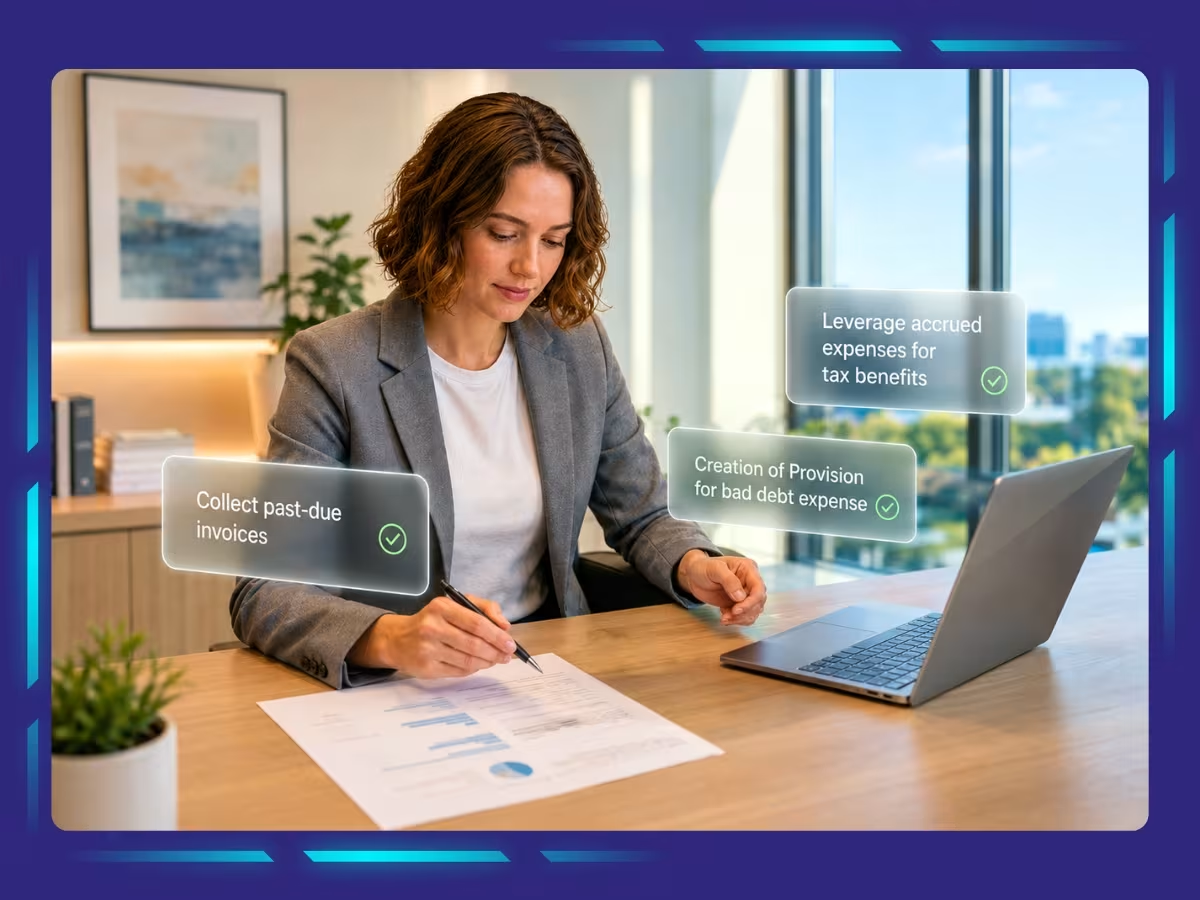
Collect Past-due Invoices
Cash flow gaps often start with unpaid customer invoices. Before year-end, review all overdue accounts receivable, segmenting them by how long they have been outstanding (30, 60, 90+ days). Send follow-up reminders, negotiate payment plans if needed, and escalate collections where appropriate. Also, if any discount is to be given or bad debt recognized, it can help reduce the overall tax liability. Past-due collections not only strengthen cash flow but also reduce the risk of writing off receivables later. This step is critical for presenting accurate revenue figures and for improving working capital before entering the next financial year.
Leverage Accrued Expenses for Tax Benefits
Record expenses incurred but not yet paid, such as utilities, consultancy charges, professional, commission, or management fees. Accruing these ensures expenses are recognised in the correct year, lowering taxable income. This year-end adjustment helps reflect true financial performance and may reduce tax liabilities by aligning expenses with the related income.
Creation of Provision for Bad Debt Expense
Evaluate accounts receivable to determine which balances are unlikely to be collected. Based on your company’s bad debt policy or historical experience, create a provision for doubtful accounts.
This ensures your financial statements do not overstate revenue or receivables and helps you secure a tax deduction for the expected loss. At year-end accounting review, writing down uncollectible receivables keeps your balance sheet realistic.
Calculate Depreciation Expense
Review fixed assets such as machinery, vehicles, or equipment and record depreciation for the year. Year-end accounting calculation ensures asset values and expenses are up to date, which directly impacts profits and tax deductions.Also, review IRS provisions to determine if MACRS (Modified Accelerated Cost Recovery System), Section 179 Deduction, or Bonus Depreciation can be claimed.
For instance, if you purchased a delivery van for $30,000 with a five-year useful life, you’ll record $6,000 as depreciation expense for 2026. This reduces taxable income while reflecting wear and tear on assets.
Business Expense Paid Via Personal Account
Check if any business-related payments were made from personal funds. Record them properly in the company’s books to avoid underreporting expenses. This ensures your accounts show the true cost of operations, and at tax time, you claim all allowable deductions instead of missing legitimate write-offs.
Review and Reconcile Loan Balances, Bank Balance, and Credit Cards
Match your year-end loan, bank accounts, and credit card statements with the balances recorded in your books. Confirm principal and interest portions are correctly separated for loan payments and ensure the interest portion and any bank or credit charges are duly recorded in the profit and loss account. Also, verify bank reconciliations include all uncleared deposits and cheques. This ensures liabilities, cash, and expenses are accurate, giving you a clear view of financial obligations heading into 2027.
Valuation of an Inventory
Conduct a physical stock count and compare it with your recorded inventory levels. Adjust discrepancies and ensure valuation aligns with accounting standards. Ensure valuation follows your accounting policy (FIFO, weighted average, etc.) and write down slow-moving or obsolete stock. Accurate inventory reporting ensures the correct calculation of cost of goods sold (COGS) and prevents overstating profits.
Reconcile Payroll Records
Cross-check payroll reports with your general ledger to confirm wages, benefits, and taxes have been recorded correctly. Accrue any unpaid wages, bonuses, or leave balances as of 31 December. This reconciliation ensures employees’ earnings are reported accurately, tax filings are correct, and there are no hidden payroll liabilities going into the new year.
Carry Out Intercompany Adjustments
If your business has multiple entities, reconcile all intercompany balances and in case inter-company balances are not matching, pass the necessary adjustment entries. Revalue intercompany balances in foreign currency at year-end exchange rates.
Documents transfer pricing policies and ensure adjustments comply with statutory regulations. These steps maintain consistency across group entities and ensure accurate consolidated reporting.
Reconcile Sales Tax Payable and Sales as Per Sales Tax Return
Verify that the sales tax liability in your books matches the amount filed in sales tax returns. Cross-check taxable sales figures with reported revenue and ensure exempt or export sales are properly documented.
Also, check for use tax obligations on purchases where sales tax wasn’t collected. Accurate reconciliation prevents tax penalties and compliance issues.
Ensure Last Year Adjustments Entries Are Posted on 31 December 2025
Check that all post-closing adjustments from 2025 were recorded with a date of 31 December 2025, not carried into 2026. If any corrections are required, adjust retained earnings appropriately and document the rationale. Ensuring prior-year adjustments are properly dated avoids misstatements in current-year results.
Prepare Financial Documents and Do Comparative Analysis
Compile your core financial statements, income statement, balance sheet, and cash flow statement for 2026. Alongside these, prepare comparative figures for 2025 and highlight significant variances with explanations.
This analysis provides insights into performance trends, supports management decisions, and strengthens reporting for auditors, lenders, or investors. However, if you find any missing expenses, do record the same that which will lower your taxable profit
Tax Adjustment Entries
Record tax adjustment entries by posting year-end provisions for income tax payable, updating deferred tax assets/liabilities, and adjusting for prepaid or outstanding tax balances. Reconcile entries with IRS filings to match taxable income with accounting records, ensuring compliance and avoiding penalties for the 2026 year-end close.
Do Other Adjustments
Post another adjustment entries for year-end, including charitable donations, accrued retirement plan contributions, and unpaid bonuses or commissions. Ensure these are recorded as liabilities or expenses in 2026 financials, aligning with payroll and HR records. Accurate adjustments secure compliance, reflect true obligations, and support tax benefits where applicable.
Prepare a Financial Close Schedule
Draft a detailed schedule that lists each year-end task, the person responsible, and deadlines. Include dependencies such as reconciliations that must be done before statements are finalized. Having a structured close calendar ensures accountability, reduces stress, and keeps the year-end process on track.
Compile All Necessary Documents
Gather supporting records like receipts, invoices, bank and credit card statements, loan records, and contracts to back financial data. These documents back up your financial reports and tax filings. At year-end accounting review, complete documentation reduces audit risks, supports transparency, and provides easy access if the tax authority or auditors request evidence for reported transactions.
Create Backups of Important Information
Secure digital and physical copies of financial data, including ledgers, tax filings, and reports. Use encrypted drives or cloud storage for protection. Backups safeguard against data loss due to system failures or cyber risks, ensuring you can access critical records whenever needed, especially during audits or tax reviews.
How Outsourced Accounting Experts Simplify Year-End Accounting
When year-end accounting rolls around, countless US businesses find themselves in a last-minute scramble, racing to reconcile accounts, chase payments, and finalize reports before deadlines hit. This rush not only creates stress but also leaves room for costly errors, missed tax breaks, and compliance slip-ups.
Outsourced accounting service providers step in as a relief valve. With their focused expertise, they handle reconciliations, streamline reporting, and ensure every number is in place well ahead of the cut-off date.
We at Whiz Consulting specialize in tax services designed to support businesses of every size and sector. Our experts simplify reconciliations, tax compliance, expense tracking, and reporting with accuracy. By combining advanced software with tested methodologies, we streamline accounting tasks and ensure smooth year-end closures. Contact us to gain the clarity, compliance, and confidence you need to manage taxes effectively and grow your business.
Disclaimer:

Get customized plan that supports your growth

Have questions in mind? Find answers here...
Outsourcing year-end accounting services helps reduce overhead costs by eliminating the need for additional in-house staff during busy end of the year accounting period. It also provides access to professional expertise at a fraction of the cost of hiring full-time employees.
Outsourced accounting providers not only prepare accurate year-end accounting reports but also assist with tax planning, ensuring compliance with relevant regulations and helping identify potential tax-saving opportunities. Partnering with experts in year-end accounting services ensures you close the year efficiently while maximizing savings.
The best approach is to first assess your current accounting needs and gather all documents required for your end of the year accounting. Next, review your year-end accounting checklist and connect with a reliable outsourcing partner. Discuss your requirements, agree on deliverables, and set clear timelines for reporting and compliance. Starting early ensures smoother year-end accounting with fewer last-minute challenges.
A year-end accounting close involves reconciling all financial transactions for the fiscal year to ensure accurate reporting. Key tasks include verifying bank accounts, accounts receivable and payable, payroll, and tax liabilities; reviewing revenue and expense accounts; reconciling inventory; calculating depreciation and amortization; preparing adjusting journal entries; and finalizing financial statements like the balance sheet, income statement, and cash flow statement. This process ensures compliance with IRS regulations and sets the foundation for accurate tax filings.
Employers must provide W-2 forms to employees by January 31, 2027, covering wages, tips, and other compensation from the 2025 tax year. Copies must also be filed with the Social Security Administration (SSA) by the same date if filing electronically. Timely W-2 distribution ensures employees can accurately file their personal income taxes and prevents penalties for late submission.
The IRS generally requires businesses to retain accounting records and supporting documentation for at least 7 years for tax purposes, particularly for items affecting income tax returns. Essential records include ledgers, invoices, receipts, bank statements, payroll records, and tax returns. Maintaining proper records ensures compliance during audits and substantiates deductions and credits claimed.
For the 2026 tax year, the deadline to issue Form 1099‑NEC (Nonemployee Compensation) to contractors and submit it to the IRS is January 31, 2027. Businesses must provide copies to all contractors who received $600 or more in payments during 2026, and also file these forms with the IRS by the same date, whether filing electronically or on paper. Meeting this deadline ensures compliance and helps businesses avoid late‑filing penalties.
Thousands of business owners trust Whiz to manage their account
Let us take care of your books and make this financial year a good one.