

-
100+
Clients Served
-
100000+
Invoices Processed Per Month
-
500+
Completed Projects
-
5000+
Reconciliation in a Month
-
150+
Team Size
Microsoft Dynamics Accounting Solutions Tailored for US Firms
At Whiz Consulting, we offer specialized outsourced Microsoft Dynamics accounting services. From chart of accounts setup and bank reconciliations to automated reporting, accounts payable, and monthly close, we handle it all. Our team ensures accuracy, compliance, and real-time visibility across your finances, so your team can focus on growth, not spreadsheets. Let us help you simplify your processes, reduce overhead, and get more out of your investment in Dynamics 365.
Microsoft Dynamics Accounting Services
- Day-to-Day Bookkeeping
- Real-time Financial Insights
- Regular Tracking of Cash Flow
- Automated Bank Reconciliations
- End-to-End Financial Management
- Streamlined Accounts Payable/Receivable
- Seamless Integration with Microsoft 365
- Comprehensive Federal & State Tax Support
Optimize Finances with MS Dynamics Business Central
Streamline your financial operations with our expert MS Dynamics accounting solutions!
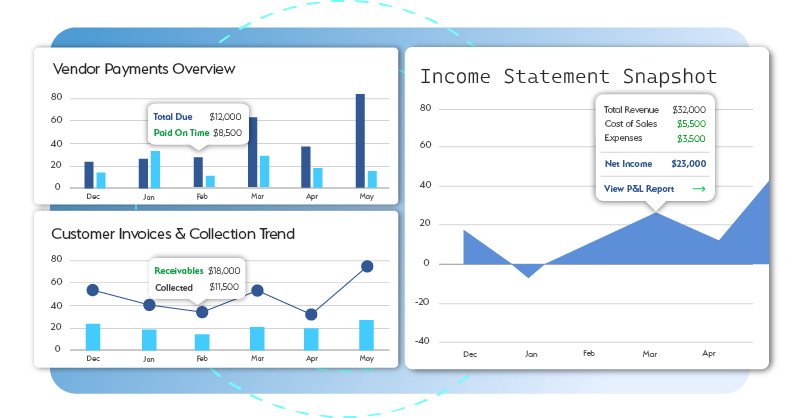
Streamlined Financial Management
With Microsoft Dynamics 365 Business Central’s cutting-edge financial management tools, and our expertise, you can experience streamlined financial processes, reduced errors, and get back valuable time to make more strategic decisions.
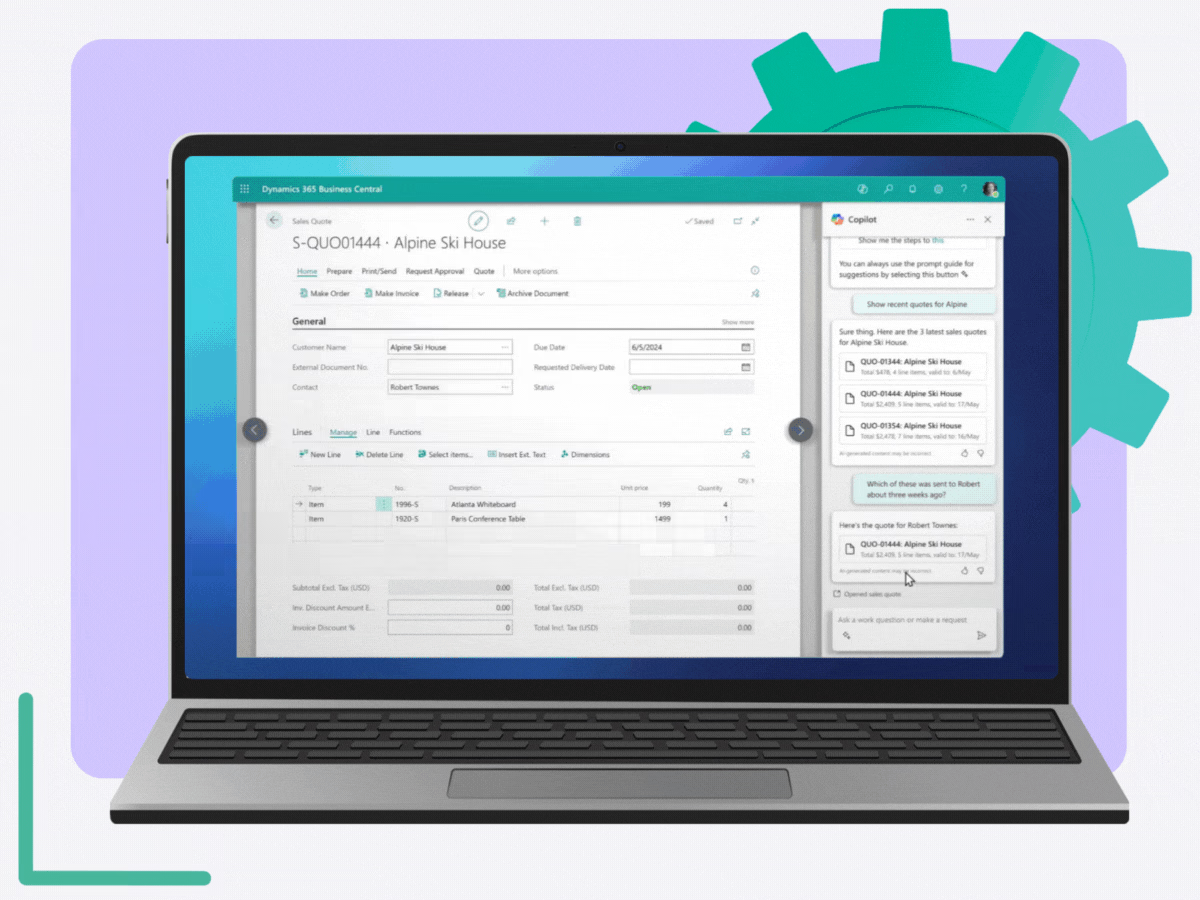
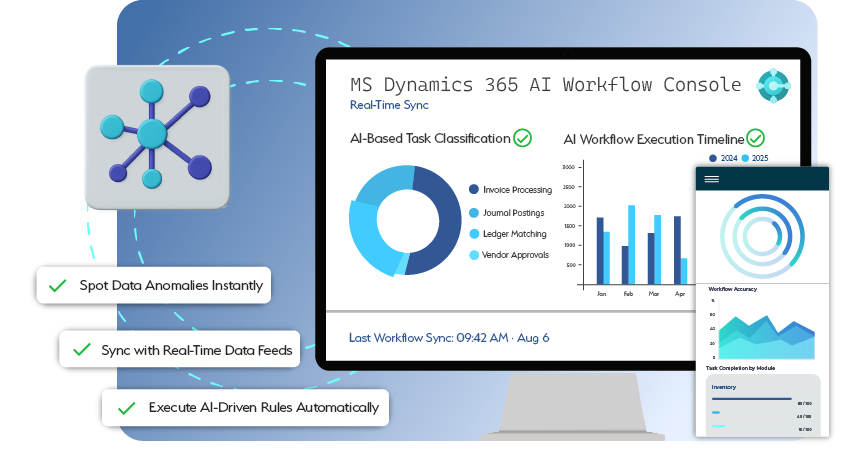
AI-Powered Automation
Say goodbye to tedious manual tasks with MS Dynamics Business Central’s AI-powered workflows. We set up and fine-tune these workflows to suit your unique business needs, ensuring you achieve smarter and faster outcomes.
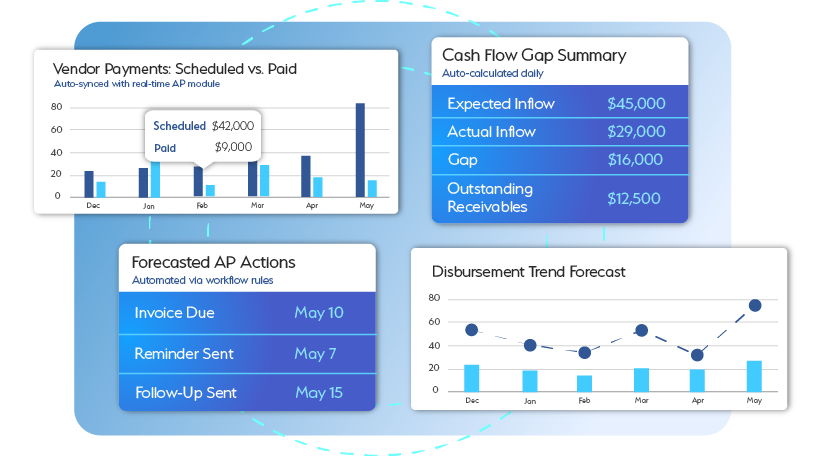
Real-Time Insights and Reporting
With our expert Microsoft Business Central accountants, you get precise, actionable reports that empower better decision-making. Whether it’s forecasting or performance tracking, we’ve got you covered with transparency and accuracy.
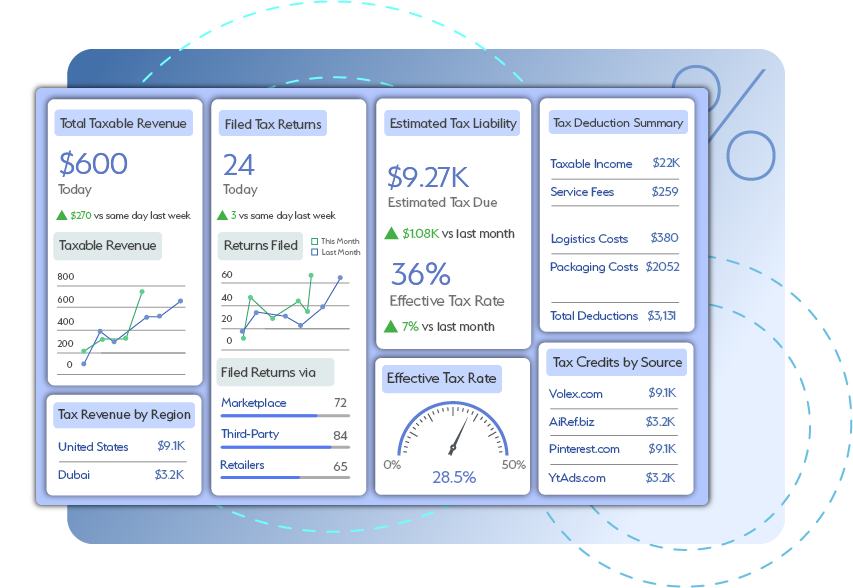
Tax Compliance Support
We simplify US tax filing by automating 1099s, W-2s, sales tax, and more. Our team ensures full alignment with IRS regulations and US GAAP reporting standards.

Hire a Business Central Expert Who:
Why Choose Us?
-

Value-Driven Accounting
We go beyond just maintaining your books; we offer insightful financial strategies that help you drive growth and make confident decisions for the future.
-
Accounting Automation
Leveraging the power of MS Dynamics and cutting-edge automation, we streamline your accounting processes, ensuring greater accuracy while saving you time.
-
Wide Outsourcing Expertise
With 10+ years of expertise in outsourcing, we provide customized MS Dynamics accounting services to address the unique challenges your business faces.
-
Dedicated Accountant
With years of experience and in-depth knowledge of Microsoft Dynamics accounting, our expert team is dedicated to delivering reliable and high-quality services.
-
Real-Time Support
Our team is here for you every step of the way, providing prompt, clear support whenever you have questions or need assistance, making your accounting journey seamless and stress-free.
-
Cost Efficiency
Outsourcing Business Central accounting services to us can slash your overhead up to 60%, resulting in substantial savings.






- Tailored Onboarding
- Seamless Integration
- Data Migration Support
- Dedicated Account Manager
- No Disruption to Operations
- Scalable Solutions
Switching to Whiz is Simple!
Making the shift to a new accounting partner might seem daunting, but with Whiz, it's a hassle-free experience. We guide you every step of the way, ensuring a smooth transition with no downtime or disruptions. Focus on what you do best while we take over the responsibilities of your books.
Client Testimonials
See how we've helped others achieve their financial goals with personalized solutions and expert guidance.
"Excellent work with invoicing automation and AP & AR processing. Highly recommended!"

Aaron Attwell
Director
"Excellent team to work with. Great work. Will use their service again for sure."

Jon Kontopos
Vice President
"Exceptionally understanding and competent team. A wonderful experience."

Andy Seth
CFO
"Your team has been outstanding, and we're truly grateful for the exceptional service you've provided in managing our accounting and bookkeeping. The positive outcomes and seamless interactions have been invaluable to us."

Kevin G. Gilles
Founder & CEO
"We wanted to thank you for all of the work and efforts you have completed on our behalf in assisting with the management of our accounting and bookkeeping over the last several months. We have had nothing but positive results and interactions with the Whiz team."

Christopher T. Wright
CFO
"Let me open by saying how pleased I am working with you and the team. It has been an excellent journey so far and I very much appreciate the efforts over the last year."

Kendall Schoenrock
President, SilverRock Ventures
" Love working with the team. Very reliable and responsible"

Nikolas Dimitroulakis
Co Founder
How It Works
Start strong with a process built for success from the very first step!
-

Initial Consultation and Assessment
We begin by understanding your business needs, current processes, and goals to craft a personalized Microsoft Business Central bookkeeping and accounting solution.
-

Seamless Setup and Data Migration
Our experts handle the system setup and securely migrate your data from existing platforms, ensuring a smooth transition.
-

Customization and Onboarding
We customize Microsoft Business Central to align with your workflows and provide hands-on training to ensure your team is confident and ready to maximize its potential.


Have questions in mind?
Find answers here...
The cost of outsourcing Business Central accounting services to us is $650 a month, but it further depends on various factors such as the scope of work, transaction volume, number of entities, and integrations required.
Yes, our virtual accountants can seamlessly integrate Business Central with your payroll software (e.g., ADP, Gusto) or CRM systems like Salesforce or HubSpot. These integrations ensure smooth data flow between departments, reduce duplication, and improve accuracy.
Yes. Microsoft Dynamics 365 Business Central is built to support US GAAP compliance, IRS tax requirements, and local/state sales tax configurations. Moreover, our professional tax services can help set up your chart of accounts, apply correct tax rules, and generate audit-ready financials to meet regulatory expectations.
With outsourcing, you gain the flexibility to scale services up or down whether you need full-cycle accounting or just month-end support. Our remote team can handle Microsoft Dynamics accounting efficiently without the cost or commitment of hiring in-house.
Yes. Our Business Central accountants can tailor workflows to reflect your approval hierarchies, invoicing rules, purchasing processes, or revenue models. We configure it to support how your business actually operates, not the other way around.
Yes. Microsoft Dynamics 365 Business Central supports multi-entity management and multi-currency accounting out of the box. We help configure it to consolidate reporting, manage intercompany transactions, and stay compliant with local regulations across different countries or business units.
Once the scope of work is finalized, we can have your Microsoft Dynamics accounting setup and ready within 48 hours. We handle configuration, data imports, and user access quickly, so your operations don’t skip a beat.
We are SOC 2 and ISO 1900:27001 certified F&A service provider, and we use strict data security protocols including end-to-end encryption, multi-factor authentication, access controls, and regular audits to protect your financial data within Microsoft’s secure cloud environment.
Streamline Your Finances, One Step At A Time
Let us take care of your books and make this financial year a good one.
MS Dynamics Expert Accounting Solutions for US Firms
At Whiz Consulting, we offer MS Dynamics accounting services that go beyond basic bookkeeping. We help US businesses streamline financial operations, improve reporting, and make smarter decisions. Whether you’re a mid-sized company or a fast-growing startup, our Business Central accounting solutions give you the control and clarity to scale with confidence.
Get a CallBy outsourcing your MS Dynamics accounting services, many of our clients reduce operational expenses by up to 60%, all while gaining access to expert-level support, minus the full-time hiring burden.
Our team of Business Central accountants is well-versed in Microsoft 365 modules. From daily transactions to advanced financial planning, we tailor our approach to your goals and ensure your accounting system runs at full potential.
Our accounting services help you stay compliant with US GAAP, state and federal tax regulations, and audit standards. From categorization to filings, your Dynamics accountant ensures every step aligns with IRS and financial reporting requirements.
We follow a structured outsourcing process built specifically for Business Central accounting software. From onboarding to reporting, your dedicated online accountant operates within your proven workflows to improve accuracy, save time, and keep your books in sync.
We help you configure Microsoft Business Central to automate accounting tasks, like billing, bank reconciliations, invoicing, and revenue recognition, freeing up your internal team for more strategic work.
We ensure your Business Central accounting software connects smoothly with your payroll systems, CRMs, e-commerce platforms, and other business apps. Fewer manual entries, fewer sync issues, just connected data and smarter decisions.
As your business evolves, our Microsoft Dynamics accounting services scale with you. Easily add new features and users, ensuring your financial management solution adapts to your expanding needs no matter your industry or region.