


In This Blog Post
Share This Article
- Last Updated: Jul 14, 2026
- 🔊 Listen
TL;DR
- Employee misclassification, payroll tax mistakes, and overtime errors are among the most common payroll mistakes businesses make.
- Correcting payroll errors quickly helps reduce penalties, compliance risks, and employee trust issues.
- Payroll software or outsourcing the process can improve accuracy, streamline compliance, and reduce manual processing errors.
The most common payroll mistakes businesses make include misclassifying employees, missing payroll tax deadlines, miscalculating overtime pay, entering incorrect payroll data, and failing to maintain accurate records. These errors can lead to IRS penalties, compliance violations, employee disputes, and unnecessary administrative costs.
The good news is that most payroll processing errors are preventable. With the right systems, processes, and compliance checks, businesses can significantly reduce payroll risks and improve accuracy.
In this guide, you’ll learn the most common payroll mistakes small businesses in US make, why they occur so frequently, how to rectify errors when they happen, and whether payroll software or outsourcing can help reduce compliance risks. By understanding these pitfalls and implementing practical safeguards, you can protect your business, stay compliant, and ensure employees are paid accurately and on time.

Outsource Payroll. Reclaim Your Time.
Run Payroll Accurately, Save Time, and Stay Compliant
What are the Most Common Payroll Mistakes?
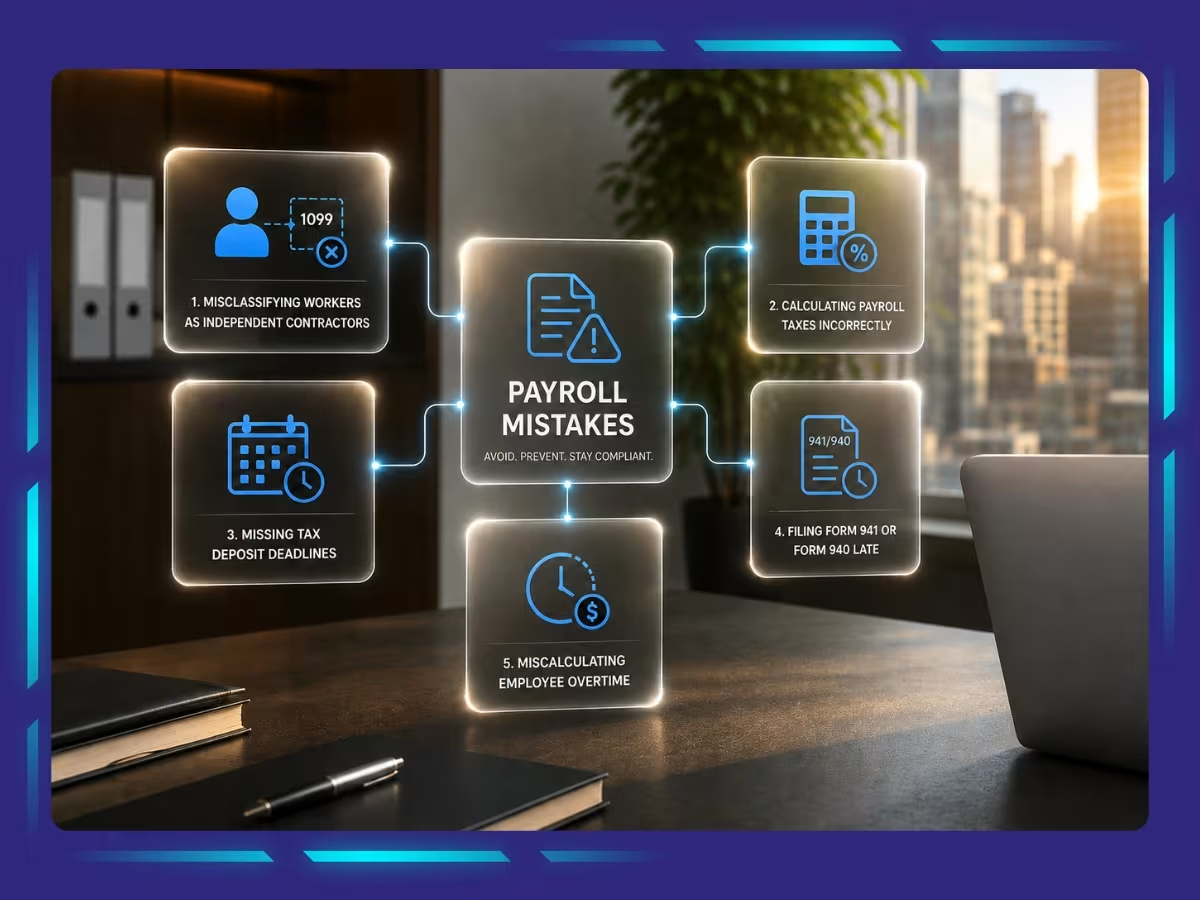
The most common payroll mistakes include employee misclassification, payroll tax errors, missed filing deadlines, overtime miscalculations, and inaccurate payroll records. These payroll processing errors can result in penalties, compliance issues, and employee dissatisfaction if not corrected quickly.
1. Misclassifying Workers as Independent Contractors
If you incorrectly classify a worker as a 1099 contractor instead of a W-2 employee, you may face employee misclassification penalties, back taxes, and payroll compliance issues.
2. Calculating Payroll Taxes Incorrectly
Payroll tax mistakes often happen when withholding amounts, tax rates, or payroll deductions are entered incorrectly. Even small calculation errors can lead to IRS notices, penalties, and costly payroll corrections.
3. Missing Tax Deposit Deadlines
Failing to follow your payroll tax deposit schedule can trigger escalating IRS penalties. Late deposits are among the most common payroll errors and to avoid them, start with tracking deposit due dates consistently.
4. Filing Form 941 or Form 940 Late
Missing deadlines for Form 941 or Form 940 can result in failure-to-file penalties and additional interest charges. Many payroll compliance mistakes stem from poor tax filing and reporting processes.
5. Miscalculating Employee Overtime
Overtime miscalculation remains a major payroll processing error, especially for businesses unfamiliar with FLSA overtime rules. Incorrect overtime pay can create wage and hour compliance violations and employee disputes.
6. Relying on Manual Payroll Data Entry
Manual data entry errors increase the risk of incorrect wages, duplicate payments, and inaccurate tax calculations. As payroll complexity grows, manual processes become a common source of payroll mistakes.
7. Making Direct Deposit Errors
Entering incorrect bank details or payment amounts can delay employee wages and damage trust. Direct deposit errors often require immediate correction to avoid payroll disruptions and employee complaints.
8. Overlooking Fringe Benefit Taxation
Taxable fringe benefits such as company vehicles, bonuses, and gift cards must be reported correctly. Overlooking these obligations can lead to payroll tax mistakes and inaccurate earnings reporting.
9. Skipping Regular Reconciliation
Without payroll reconciliation, small discrepancies can grow into major reporting issues. Regular reviews help identify payroll processing errors early and reduce the long-term consequences of payroll errors.
How Do You Fix a Payroll Error?
To fix a payroll error, identify the mistake immediately, calculate the correct amount, update payroll records, and make any necessary tax or payment adjustments. Acting quickly can help reduce the financial and compliance consequences of payroll errors.

1. Identify the Source of the Error
Start by determining what caused the issue. Common payroll processing errors include incorrect hours worked, overtime miscalculations, payroll tax mistakes, employee misclassification, direct deposit errors, or inaccurate payroll deductions and withholding.
2. Calculate the Correct Payroll Amount
Review time records, pay rates, tax withholdings, benefits, and deductions to determine the correct amount owed. Accurate calculations are critical to resolving payroll errors without creating additional compliance issues.
3. Correct Employee Payments Promptly
If an employee was underpaid, issue the missing wages as soon as possible. If an overpayment occurred, follow applicable state laws and company policies before recovering the excess amount.
4. Update Payroll Records and Documentation
Record the correction in your payroll system and maintain supporting documentation. Proper payroll recordkeeping helps support wage and hour compliance and provides an audit trail if questions arise later.
5. Amend Tax Forms if Necessary
If the error affected payroll taxes, withholding amounts, or reported wages, you may need to amend previously filed payroll tax forms. Addressing payroll tax mistakes early can help reduce penalties and interest.
6. Review Compliance Requirements
Determine whether the error involves broader payroll compliance mistakes, such as FLSA overtime rules, employee classification, wage garnishments, or fringe benefits taxation. Some issues may require additional corrective action.
7. Prevent the Error from Happening Again
Conduct regular payroll reconciliation, automate repetitive processes where possible, and review payroll procedures periodically. Strong internal controls are one of the most effective ways to avoid payroll errors in the future.
Should a Small Business Outsource Payroll?
Yes, outsourcing payroll processing functions can help small businesses reduce processing errors, improve compliance, and save administrative time. However, the right choice depends on your business size, payroll complexity, budget, and ability to manage payroll accurately in-house.
Benefits of Outsourcing Payroll
Outsourcing can reduce the risk of common payroll mistakes by automating payroll calculations, tax filings, direct deposits, payroll deductions, and compliance reporting. It also helps businesses stay on top of payroll tax deposit schedules and filing deadlines.
When Outsourcing Makes Sense
Payroll outsourcing is often a good option if your business has multiple employees, complex deductions, multi-state obligations, wage garnishments, or limited internal resources to manage compliance effectively.
Turn Payroll Accuracy into a Competitive Advantage with Outsourced Experts
Payroll mistakes can happen in any business, but the cost of ignoring them is often far greater than the cost of preventing them. From payroll tax mistakes and employee misclassification issues to overtime miscalculations and missed filing deadlines, even small errors can lead to penalties, compliance risks, and employee frustration.
The good news is that most common payroll mistakes are preventable. By implementing clear payroll processes, conducting regular payroll reconciliation, maintaining accurate records, and staying on top of compliance requirements, businesses can significantly reduce payroll errors and their financial impact.
For growing businesses, managing payroll accurately while keeping up with changing regulations can be challenging. That’s where Whiz Consulting comes in. By streamlining payroll operations, improving accuracy, supporting compliance, and reducing manual administrative work, we allow you to spend less time worrying about payroll and more time focusing on growth.

Get customized plan that supports your growth

Have questions in mind? Find answers here...
The most common payroll mistakes include employee misclassification, payroll tax errors, overtime miscalculations, missed tax deadlines, incorrect deductions, and poor payroll recordkeeping.
Payroll mistakes can trigger IRS penalties, interest charges, late-filing fees, and compliance violations. Penalties vary based on the error type and severity.
Outsourcing payroll can reduce compliance risks, improve accuracy, save administrative time, and help businesses avoid costly payroll processing and tax errors.
Payroll penalties may include late-deposit fees, failure-to-file charges, interest, accuracy-related penalties, and additional liabilities depending on the payroll mistake involved.
Misclassifying employees can result in back taxes, unpaid benefits, wage claims, penalties, and potential liability under federal and state labor laws.
Thousands of business owners trust Whiz to manage their account
Let us take care of your books and make this financial year a good one.