


Healthcare
Demystifying Medical Practice Accounting: A Complete Guide
Being a medical professional is demanding enough without the added stress of financial management. But here is the...
Read article
US healthcare providers analyze their balance sheets, income statements, and cash flow reports by tracking key performance indicators like net patient revenue, operating margins, accounts receivable aging, and regulatory overhead costs to ensure financial health and compliance.
Managing a medical practice requires more than delivering exceptional patient care, it demands strict financial oversight. Between navigating complex insurance reimbursements, compliance costs, and fluctuating patient volumes, keeping your finger on the pulse of your practice’s finances can feel overwhelming. In this guide, we’ll help you understand how to read a healthcare financial statement and gain more useful insights to make informed decisions.

Track revenue, cash flow, receivables, and practice performance with greater clarity.
Financial statements help healthcare businesses track profitability, cash flow, receivables, operating costs, and overall financial performance. They also provide the data needed for budgeting, planning, and better business decisions. Here’s why it’s important as a provider you understand how to read healthcare financial statements:
Before we get into the nitty-gritty of understanding of how to read financial statements for healthcare, it’s important to know what are these statements. They include income statement, balance sheet, cash flow statement, and accounts receivable aging report to track profitability, liquidity, cash movement, and collections.
Shows revenue, operating expenses, and profit over a specific period. It helps you assess whether patient service revenue is covering payroll, medical supplies, administrative costs, and other operating expenses.
Provides a snapshot of assets, liabilities, and equity at a given point in time. It helps you evaluate liquidity, debt levels, accounts receivable, and the overall financial position of the healthcare business.
Tracks how cash moves through operating, investing, and financing activities. It helps explain why a profitable practice may still face cash shortages due to reimbursement delays, equipment purchases, or debt repayments.
Breaks outstanding receivables into aging such as 30, 60, and 90+ days. It helps identify delayed insurance reimbursements, patient balances, and collections issues that could affect cash flow.
A healthcare income statement shows how patient revenue compares with payroll, clinical supplies, operating costs, and overall profit. It helps providers see whether reimbursement, staffing, and expense trends are strengthening or squeezing practice margins.
A healthcare balance sheet shows whether your practice has enough cash and receivables to meet short-term obligations while managing equipment, debt, and owner equity. It provides a snapshot of liquidity, leverage, and overall financial stability.
Healthcare providers should look at operating cash flow, investing activity, financing and debt repayments, and the gap between reported profit and actual cash available. These areas show whether the practice can fund daily operations, investments, and obligations.
AR aging shows how quickly your healthcare practice is collecting billed revenue and where delays are building. Tracking aging buckets, payer balances, denials, collection trends, and write-offs helps identify issues that may be slowing cash flow.
Healthcare providers should track profitability and collection metrics such as operating margin, net profit margin, days in AR, and collection rate. They should also monitor payroll costs, revenue per provider, current ratio, and cash runway. Together, these metrics show profitability, collection efficiency, staffing costs, liquidity, and provider productivity.
Understanding how to read healthcare financial statements is important as they help you see what is changing across revenue, costs, collections, cash flow, and profitability. Regular reviews of your income statement, balance sheet, cash flow statement, AR aging, and key metrics can highlight financial pressure early. This helps you make better decisions around staffing, expansion, spending, and working capital.
At Whiz Consulting, our healthcare accounting services help providers maintain accurate books, reconcile accounts, track receivables, review financial performance, and prepare clear management reports. We support practices with bookkeeping, accounts payable and receivable, financial reporting, budgeting, and cash flow analysis so you can spend less time untangling numbers and more time using them to run the business.

Get customized plan that supports your growth

Days in accounts receivable measures how long it takes a healthcare practice to collect payment after providing services. A rising number can signal slower insurer reimbursements, unresolved claims, billing errors, or patient collection issues.
Important metrics include operating margin, net profit margin, days in AR, collection rate, payroll as a percentage of revenue, revenue per provider, current ratio, and cash runway. These help monitor profitability, liquidity, collections, staffing costs, and provider productivity.
Payer mix refers to the proportion of revenue coming from Medicare, Medicaid, commercial insurers, and self-pay patients. Different reimbursement rates and payment timelines can affect revenue, margins, accounts receivable, and cash flow.
Most healthcare businesses should review core financial statements monthly, with deeper quarterly and year-end analysis. More frequent reviews may be useful when the practice is growing quickly, experiencing cash flow pressure, or seeing significant changes in collections or expenses.
Let us take care of your books and make this financial year a good one.
Being a medical professional is demanding enough without the added stress of financial management. But here is the...
Read article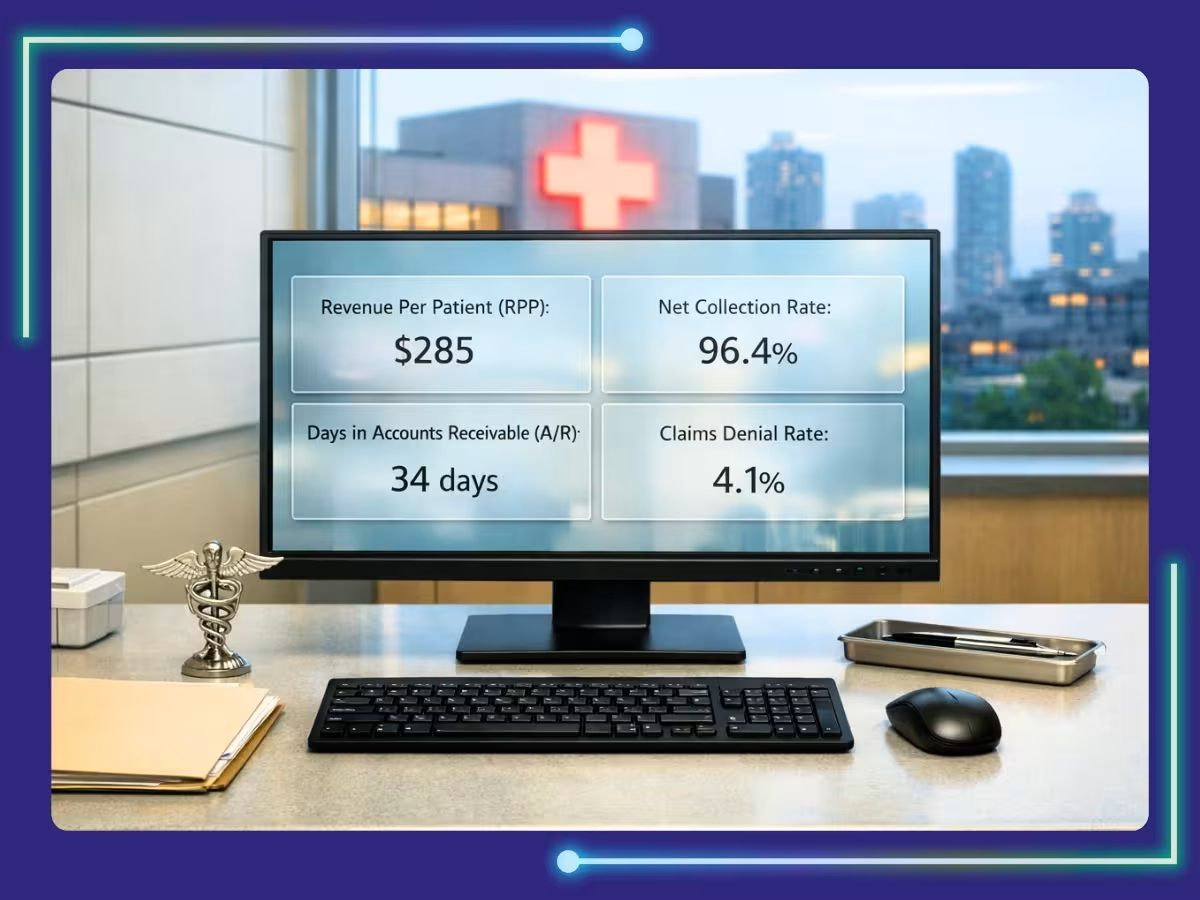
When it comes to accounting and financial outcomes, healthcare professionals rely on accurate insights to make informed decisions. From selecting...
Read article
Elder care accounting helps senior care providers, assisted living facilities, and nursing homes manage financial operations, maintain compliance, and improve...
Read article