


Table of Content
Share This Article
- Last Updated: Aug 3, 2026
- 🔊 Listen
TL;DR
- Invoice fraud for UK companies involves fake, duplicate, or manipulated invoices targeting businesses.
- Common types include fake invoices, duplicate billing, mischaracterised services, and vendor impersonation.
- Prevention requires verifying vendors, reviewing invoices carefully, and implementing multi-level approvals.
- Automation and accounting software help detect discrepancies, create audit trails, and reduce human error.
- Regular audits and structured accounts payable workflows enhance compliance and reduce financial risk.
Invoice fraud is an increasingly common threat for UK businesses, especially as companies move towards digital invoicing and online payments. Fraudsters are becoming more sophisticated, making it essential for businesses to know how to prevent invoice fraud UK and safeguard their finances.
From fake invoices to mischaracterised charges, the financial and reputational consequences can be severe. This blog outlines the types of fraudulent invoices UK businesses face and practical steps to prevent them.

Secure Your Accounts Payable
Detect Fraud, Reduce Risk, Protect Cash Flow with Experts
What is Invoice Fraud UK?
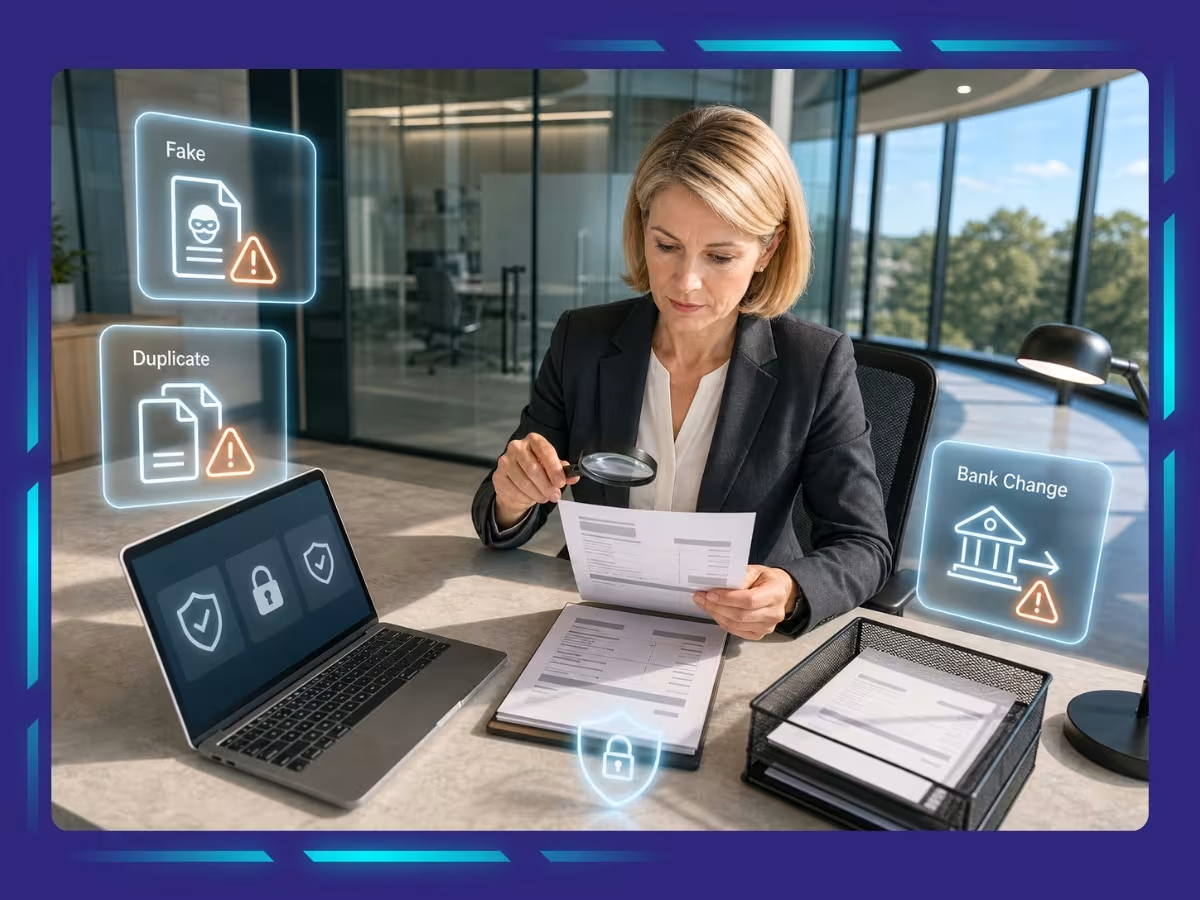
Invoice fraud occurs when a fraudster sends a payment request that appears legitimate but is designed to deceive a business. This can involve invoices for services not rendered, inflated amounts, or fake vendor identities. In the UK, invoice fraud can affect SMEs, large enterprises, and public-sector organisations alike, especially businesses handling high volumes of invoice processing through digital payment systems.
Common signs include sudden changes in supplier bank accounts, unusual invoice amounts, or discrepancies in invoice formatting. Comparing invoices against purchase orders, contracts, and prior payments is essential to spot irregularities during the invoice processing cycle.
For businesses juggling multiple invoices, relying on internal processes alone can leave gaps. Partnering with an expert improves invoice processing accuracy, ensures verification checks are in place, and reduces the risk of falling victim to fraudulent invoices UK.
What Are the Common Types of Invoice Fraud in the UK
Understanding the main types of invoice fraud can help businesses implement targeted prevention measures. Some of the most common include:

1. Fake Invoices
Fraudsters create invoices that appear legitimate, often targeting large payments. Payment without verification can result in significant losses.
2. Duplicate Invoicing
Two or more invoices for the same service or product may be submitted. Whether accidental or intentional, duplicate payments can harm cash flow.
3. Mischaracterised Services or Products
Invoices may list incorrect or unnecessary items, inflating costs or charging for services not delivered. Regular audits and cross-checks are crucial.
4. Vendor Impersonation
Scammers may pose as trusted suppliers, requesting changes to bank details or payment methods. Confirming all vendor requests via direct contact reduces risk.
5. Invoice Alteration by Employees
Internal fraud occurs when employees modify invoices or authorise unnecessary payments. Segregation of duties and multi-level approvals can prevent this.
These types highlight why how to prevent invoice fraud UK is essential for safeguarding business finances.
How to Prevent Invoice Fraud UK: Best Practices
Preventing invoice fraud requires supplier verification, strong internal financial controls, employee awareness, and automation. Following best practices for the AP process, such as separating approval responsibilities, validating vendor details, matching invoices with purchase orders, and maintaining clear audit trails, can further reduce risk. Businesses with structured accounts payable processes are far less likely to fall victim to the fraudulent invoices UK scammers commonly use.
Know Your Vendors
Before paying an invoice, ensure the supplier is legitimate. Research new vendors thoroughly, verifying contact details, company registration, and VAT information.
Review Invoices Carefully
Check each invoice for completeness and accuracy. Missing information, unusual charges, or formatting inconsistencies should be flagged. Contact vendors directly if anything seems off.
Implement Strong Internal Controls
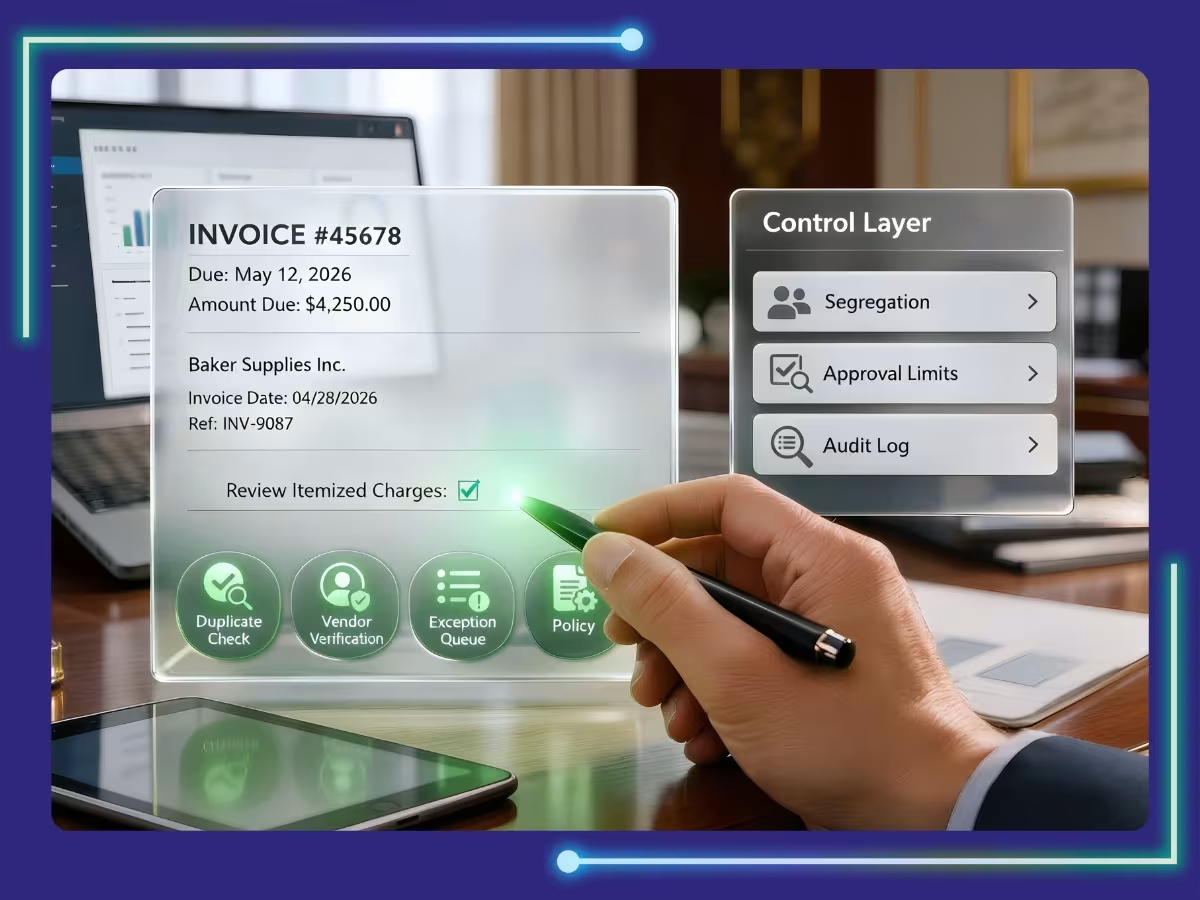
Segregate responsibilities so no single person handles the entire AP process. Require multiple approvals for high-value invoices or changes to supplier payment details.
Use Automation and Accounting Software
Cloud-based accounting systems such as Xero, QuickBooks, or Sage support vendor invoice automation by tracking suppliers, flagging irregularities, and automating payment schedules. This reduces human error, improves visibility, and helps prevent fraudulent invoices commonly seen across UK businesses.
Conduct Regular Audits
Schedule periodic internal audits to verify that payments match purchase orders and contract terms. Cross-department checks can uncover discrepancies early.
Stay Alert for Unusual Behaviours
Watch for unusual behaviours, such as new bank account requests, sudden high-value invoices, or invoices outside regular billing cycles. Proactive monitoring is key to stopping fraud early.
Step-by-Step Workflow to Prevent Invoice Fraud
A structured accounts payable process helps businesses detect fraudulent invoices UK companies commonly encounter while improving financial accuracy, compliance, and operational efficiency.
Implementing a standardised invoice verification process also reduces payment errors, strengthens internal controls, and improves audit readiness.
Step 1: Receive and Record Invoices
All incoming invoices should be logged in a central system immediately upon receipt.
Step 2: Validate Supplier Details
Check supplier registration, VAT numbers, and contact information against internal records or the Companies House database.
Step 3: Cross-Check Against Purchase Orders
Match each invoice with purchase orders, delivery notes, and contracts to confirm legitimacy.
Step 4: Multi-Level Approval
Invoices should go through an approval chain based on amount thresholds. Automation can route approvals efficiently.
Step 5: Reconciliation and Payment
Once approved, payments should be processed using verified banking details, and records reconciled in accounting software.
Step 6: Audit Trail Maintenance
Keep a detailed audit trail of all invoices, approvals, and payments for regulatory compliance and internal review.
Can Automation Help Prevent Invoice Fraud?
AP automation tools can drastically reduce the risk of invoice fraud in UK businesses. Advanced accounts payable systems can:
- Automatically verify invoice details against purchase orders and contracts
- Flag discrepancies or duplicate invoices in real time
- Maintain a full audit trail for compliance with UK accounting standards
- Use AI-powered detection to identify unusual patterns, such as sudden changes in vendor payment instructions
How Outsourcing Accounts Payable Can Help?
Outsourcing accounts payable to an experienced and reliable provider can offer multiple advantages:
- Access to expert teams trained that can spot anomalies timely and proactively implement preventive steps
- Scalable support for high-volume invoice processing
- Make the best use of automated tools and real-time monitoring
- Reduced internal workload, freeing staff for strategic tasks
An experienced provider helps businesses overcome common AP challenges by maintaining top-level security, ensuring accurate and timely payments, and implementing strong internal controls that in-house teams may struggle to maintain consistently.
Choosing the Right Accounts Payable Partner to Prevent Invoice Fraud
Invoice fraud is evolving rapidly, and technology alone can’t stop it. The best protection combines automated invoice processing with skilled accounts payable professionals who spot irregularities and maintain accurate records.
That’s why proactive UK businesses are turning to accounts payable outsourcing as a smarter solution. By integrating automation with experienced teams, Whiz Consulting helps streamline invoice workflows, reduce errors, and improve cash flow visibility.

Get customized plan that supports your growth

Have questions in mind? Find answers here...
Invoice fraud UK occurs when scammers send fake or manipulated invoices to businesses, often requesting payment for goods or services that were never provided. It poses financial and reputational risks, making it essential for businesses to implement robust controls and verification processes.
Common types include fake invoices, duplicate invoicing, mischaracterised products or services, vendor impersonation, and internal manipulation. Awareness of these helps businesses implement effective detection and prevention measures.
Prevention involves verifying vendor details, reviewing invoices carefully, enforcing multi-level approvals, conducting regular audits, and using cloud-based accounting or AP automation tools to flag irregularities.
Yes. Automated invoice processing tools can match invoices to purchase orders, detect duplicates, track payment approvals, and create audit trails, reducing human error and exposure to fraud.
UK businesses should conduct regular audits of their invoice processing workflows, ideally quarterly or at least biannually. Frequent audits help detect discrepancies, verify approvals, ensure invoices match purchase orders, and maintain accurate financial records, significantly reducing the risk of invoice fraud.
Thousands of business owners trust Whiz to manage their account
Let us take care of your books and make this financial year a good one.


This website uses cookies to improve your experience. You can accept all or reject non-essential cookies.