



-
100+
Clients Served
-
100000+
Invoices Processed Per Month
-
500+
Completed Projects
-
5000+
Reconciliation in a Month
-
150+
Team Size
Remote Bookkeeping Services for UK Firms: Seamless Finances
As a business owner, you juggle countless responsibilities, but bookkeeping doesn’t have to be one of them. From daily transactions to insightful year-end reports, Whiz Consulting takes bookkeeping task off your shoulders. With 11+ years of expertise and a team of 150+ experts, our remote bookkeeping services deliver unmatched accuracy, reliability, and efficiency, empowering you to make confident, data-driven decisions every time.

Remote Bookkeeping Services We Offer
- Day-to-Day Bookkeeping
- Seamless Payroll Processing
- Streamlined Expense Tracking
- Efficient Inventory Management
- Reconciliation of Bank & Credit Card
- Preparing For Your VAT/Corporate Tax Filing
- In-depth Financial Reporting & Analysis
- Management of Accounts Receivable & Payable
Bookkeeping Challenges We Tackle for UK Firms
Hire our virtual bookkeepers to tackle your bookkeeping woes and enjoy financial efficiency and clarity.
Precise Profitability
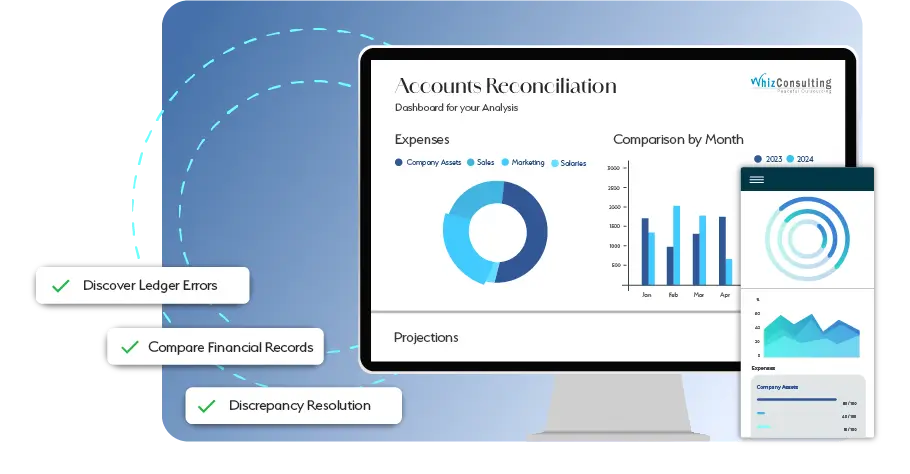
We provide accurate financial reports to support your decision-making process. Empowered by valuable bookkeeping insights, you can better capitalize on growth opportunities and address discrepancies timely.

Multiple Reports
We generate comprehensive financial reports tailored to your needs for complete business visibility. From balance sheets to income statements, we ensure you have the data you need to steer your business effectively.
Expert Tax Prep
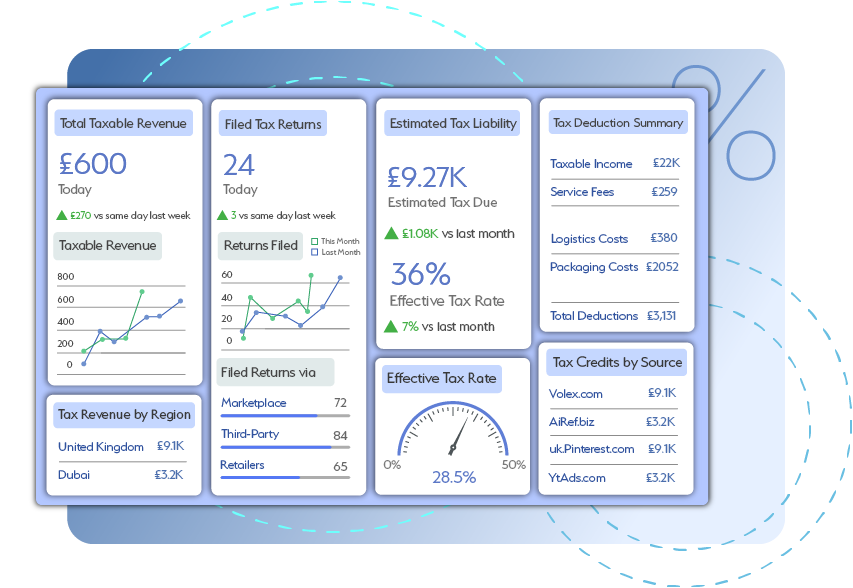
We organise and prepare your financials for VAT returns, Corporation Tax, and PAYE reporting, ensuring your records are HMRC-compliant and fully audit-ready.

Hire an Expert Virtual Bookkeeper Who:
Why Choose Us?
-

Value-Driven Accounting
We provide more than standard services; our remote bookkeeping services offer actionable insights that support smarter decisions.
-
Accounting Automation
By combining advanced automation tools with industry best practices, we streamline VAT reporting, payroll, and bookkeeping for speed, accuracy, and efficiency.
-
Outsourcing Expertise
With over a decade of experience, we deliver reliable finance and accounting services that keep UK businesses compliant, organized, and growth ready.
-
Dedicated Experts
Our certified remote bookkeepers understand UK tax laws and business needs, providing ongoing support tailored to your sector.
-
Real-Time Support
Access real-time reporting and dashboards that provide clarity on cash flow, VAT, and other financials to help guide confident decisions.
-
Cost Savings
Outsourcing to our virtual bookkeeping services reduces your overhead costs by eliminating in-house burdens while offering scalable services that grow with your business.






 Behind on
your books?
Behind on
your books?
 Behind on
your books?
Behind on
your books?Take advantage of Catch-Up Bookkeeping, and you’ll never feel behind on your books again.
Our Technology Partners
Empowering innovation with cutting-edge solutions designed to drive efficiency and transformation.
- Tailored Onboarding
- Seamless Integration
- Data Migration Support
- Dedicated Account Manager
- No Disruption to Operations
- Scalable Solutions
Switching to Whiz is Simple!
Switching to a new accounting partner may sound like a task, but with Whiz, it’s completely stress-free. We support you at every step, guaranteeing a seamless transition without downtime or disruptions. Leave your bookkeeping to us, so you can focus on what you do best.
Switch NowClient Testimonials
See how we've helped others achieve their financial goals with personalized solutions and expert guidance.
"Excellent work with invoicing automation and AP & AR processing. Highly recommended!"

Aaron Attwell
Director
"Excellent team to work with. Great work. Will use their service again for sure."

Jon Kontopos
Vice President
"Exceptionally understanding and competent team. A wonderful experience."

Andy Seth
CFO
"Your team has been outstanding, and we're truly grateful for the exceptional service you've provided in managing our accounting and bookkeeping. The positive outcomes and seamless interactions have been invaluable to us."

Kevin G. Gilles
Founder & CEO
"We wanted to thank you for all of the work and efforts you have completed on our behalf in assisting with the management of our accounting and bookkeeping over the last several months. We have had nothing but positive results and interactions with the Whiz team."

Christopher T. Wright
CFO
"Let me open by saying how pleased I am working with you and the team. It has been an excellent journey so far and I very much appreciate the efforts over the last year."

Kendall Schoenrock
President, SilverRock Ventures
" Love working with the team. Very reliable and responsible"

Nikolas Dimitroulakis
Co Founder
How It Works
We simplify the process to help you achieve your financial goals with ease.
-
Seamless Transition
We ensure a smooth, hassle-free transition, minimising disruption to your operations.
-
Transparent Communication
We keep you informed at every step with clear, open communication.
-
Accurate Finances
Our team provides precise financial tracking to ensure everything stays on budget and within scope.
Have questions in mind?
Find answers here...
Our remote bookkeeping services significantly reduce expenses by eliminating the need for office space, utilities, and employee benefits. By outsourcing bookkeeping needs, businesses can save up to 60% of costs while still accessing top-tier financial expertise at a fraction of the cost.
We ensure a hassle-free audit process by providing well-organised financial records, detailed transaction histories, and comprehensive reports to meet compliance requirements.
The frequency of updates depends on your business operations. We offer flexible scheduling to keep your records accurate, up-to-date, and aligned with your financial goals.
Our experts work with leading cloud-based platforms like QuickBooks, Tally, Zoho Books, and Xero, ensuring seamless, real-time financial management.
We provide customised solutions for industries like retail, healthcare, ecommerce, and manufacturing, tailoring our remote bookkeeping services to meet your unique business needs.
Yes! We prioritise the security of our clients’ financial data using advanced encryption, secure cloud storage, and strict confidentiality protocols to safeguard your sensitive information.
Yes, our virtual bookkeepers in the UK are trained to manage VAT returns, PAYE, CIS, and Making Tax Digital (MTD) submissions. We help you file all your tax forms while adhering to HMRC regulations, so you never feel confused about the next step.
Streamline Your Finances, One Step At A Time
Let us take care of your books and make this financial year a good one.
Virtual Bookkeeper for UK Firms: Expert Financial Management
At Whiz Consulting, our remote bookkeeping services give you a flexible, cost-effective, and technology-driven way to manage your finances. We handle your daily records, reconciliations, and reporting with accuracy, all while providing real-time access to your data. By reducing costs and removing the limitations of traditional bookkeeping, we help you streamline operations using AI and automation tools, so you can focus on scaling your business.
Get a CallHiring remote bookkeepers removes the need for extra office space, payroll costs, and staff benefits. With us, you pay only for what you use, making it a cost-effective choice for UK businesses aiming to manage budgets wisely.
With over a decade of experience delivering outsourcing accounting services, we have refined our processes for smooth transitions, efficient workflows, and reliable outputs that give UK businesses financial confidence.
Our remote bookkeepers are skilled in UK accounting standards, including HMRC regulations, VAT compliance, and Companies House filings. From payroll to tax submissions, we ensure your books remain accurate and audit-ready.
As an ISO 1900:27001 and SOC 2 certified provider, we safeguard your records using encrypted systems, restricted access, and advanced cybersecurity to keep your financial data protected at all times.
Our experts bring years of experience supporting UK businesses with bookkeeping, payroll, and VAT. Your assigned remote bookkeeper ensures efficiency, accuracy, and timely financial reporting tailored to your sector.
We work like an extension of your team, aligning with UK business hours, communication styles, and workflows for seamless collaboration across industries. Stay worry-free with our bookkeepers and enjoy our finance and accounting services while expanding your business.
From growing startups to established enterprises, our remote bookkeeping services scale with your needs, helping you navigate compliance and seasonal changes without disruption.





This website uses cookies to improve your experience. You can accept all or reject non-essential cookies.