Table of Content
Share This Article
- Published: Mar 31, 2026
- Last Updated: Mar 31, 2026
- 🔊 Listen
Quick Reads
- A structured year-end accounting process ensures accurate financial reporting and compliance with ATO requirements.
- Recording all transactions and posting adjustment entries is essential to reflect true business performance.
- Reconciliations across bank accounts, payroll, GST, and ledgers help identify errors before finalisation.
- Reviewing receivables, payables, and bad debts improves cash flow visibility and prevents overstated income.
- Correct handling of depreciation, accruals, and tax adjustments ensures accurate taxable income.
- Proper documentation, backups, and audit-ready records reduce compliance risks and future disruptions.
- A clear financial close schedule and the right accounting support can make year-end closing smoother and more efficient.
Closing the financial year is one of the most important processes for any Australian business. It’s not just about wrapping up numbers, it’s about ensuring your records are accurate, compliant, and ready for tax reporting.
With the Australian financial year ending on 30 June, businesses must align their accounts with tax requirements, GST reporting, payroll obligations, and financial disclosures. A structured year-end process helps avoid costly mistakes, missed deductions, and compliance risks.
This checklist walks through every critical step so your books are clean, accurate, and ready for the next financial year.
Why It Matters
A clean year-end close supports your business in four key ways:
- Accurate taxable income helps you pay exactly what you owe, no more and no less
- All legitimate deductions captured, including accruals, depreciation, bad debts, and provisions
- Audit-ready records that help reduce the risk of ATO review and penalties
- Reliable financial statements allow confident decisions as you head into FY2026–27

Be Year-End Ready
Stay compliant, stress less, and close with confidence.
Why Proper Year-End Accounting Matters for AU Firms
Year-end accounting directly impacts compliance, tax outcomes, and decision-making. From a regulatory perspective, businesses must ensure their records meet the requirements of the Australian Taxation Office (ATO) and follow recognition and measurement principles set by the Australian Accounting Standards Board. Here’s why it matters in practice:
- Accurate tax reporting: Errors in income, expenses, or GST can lead to incorrect tax filings.
- Maximised deductions: Proper adjustments ensure all eligible expenses are captured.
- Audit readiness: Clean records reduce the risk of scrutiny and penalties.
- Better financial insights: Reliable numbers support strategic decisions.
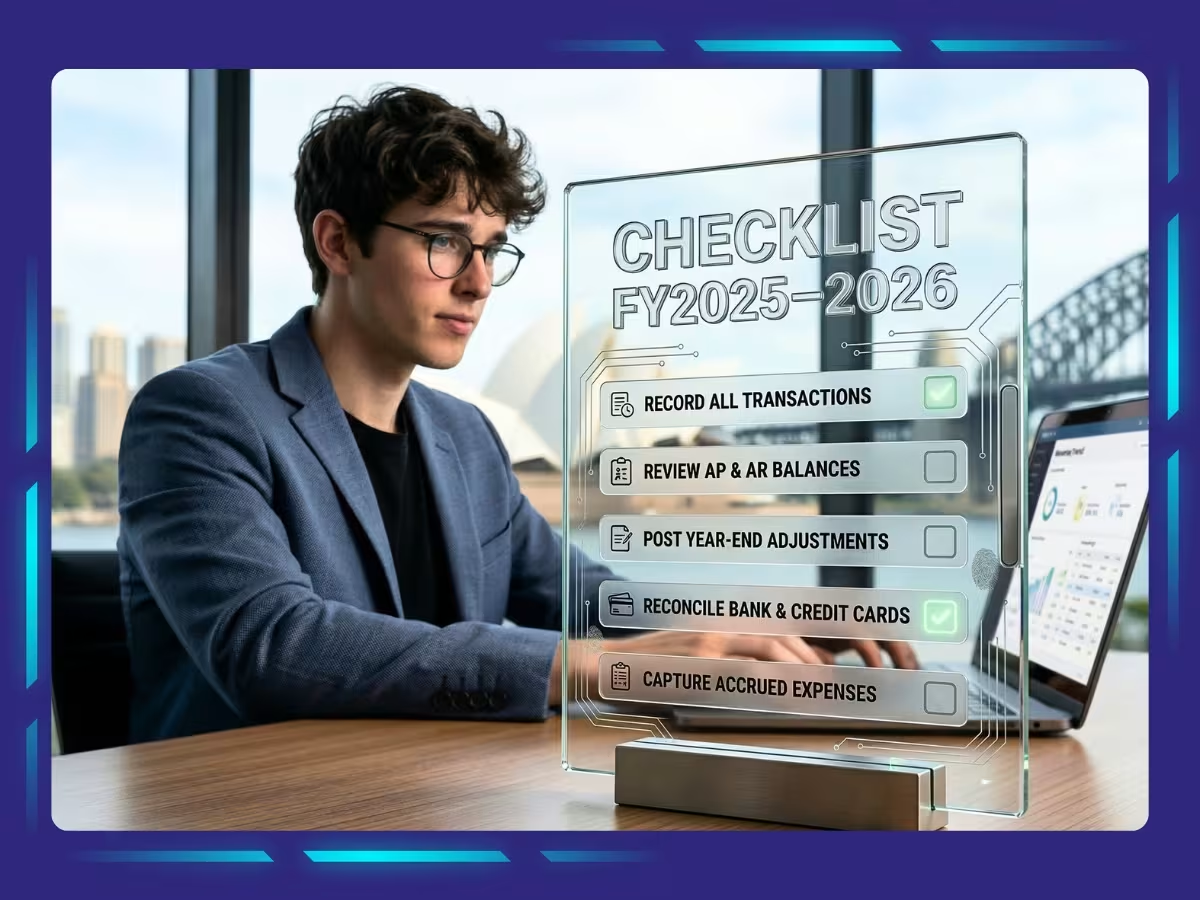
Year-End Accounting Checklist for 2025–26
Year-end closing ensures your financial records are accurate, complete, and compliant. It involves recording all transactions, posting adjustments, reconciling balances, and finalising tax positions. This checklist covers the key steps to prepare your books for reporting, lodgement, and the year ahead.
Ensure All Transactions Have Been Recorded
Before making any adjustments, start by confirming that your accounting system captures every financial transaction for the year. This step ensures your records are complete and provides a reliable base for all further reconciliations and reporting. You should review and verify:
- Sales and income entries recorded across all channels
- Supplier bills, operating expenses, and recurring costs
- Bank account and credit card transactions, including fees and interest
- Cash payments and receipts that may not be automatically tracked
If transactions are missing, your financial statements will be incomplete. This affects profit calculations, GST reporting, and tax liability.
Review Accounts Payable and Receivable and Reconcile with Vendors and Customers
At year-end, your accounts payable and receivable should accurately reflect all outstanding balances. This ensures your liabilities and expected cash inflows are correctly stated. To achieve this, you should:
- Match supplier statements with your accounts payable ledger to confirm what is owed
- Verify customer balances in accounts receivable to ensure all invoices are recorded correctly
- Identify and resolve duplicate, missing, or incorrect invoices
This step ensures your liabilities and income are correctly reported and helps avoid disputes with vendors or customers.
Post Year-End Adjustment Entries
Adjustment entries ensure your accounts reflect the accrual basis of accounting, as required under Australian standards. This means income and expenses are recorded in the period they relate to, not when cash is received or paid. At year-end, you should review and post key adjustments such as:
- Accruals: Expenses incurred but not yet paid, such as utilities or professional fees
- Prepayments: Payments made in advance, like insurance or subscriptions, that need to be spread over the relevant period
- Depreciation: Systematic allocation of asset costs over their useful life
- Provisions: Estimated future liabilities, including employee entitlements or expected obligations
These adjustments ensure your financial statements present a true and fair view of your business performance and position.
Collect Past-Due Invoices
Outstanding receivables can strain cash flow and increase the risk of bad debts. As part of your year-end process, it’s important to actively review and follow up on overdue invoices. You should focus on:
- Improving cash collection to strengthen your working capital position
- Reducing the likelihood of receivables turning into bad debts
- Ensuring revenue is accurately recognised within the correct financial period
- Addressing overdue balances before year-end not only improves liquidity but also leads to more accurate financial reporting.
Delays in collection can also impact your working capital position heading into the new financial year.
Leverage Accrued Expenses for Tax Benefits
Accrued expenses are costs incurred during the financial year but not yet paid. Recognising these ensures your expenses are recorded in the correct period and your financial statements remain accurate. Common examples include:
- Wages payable for work performed but not yet paid
- Utility bills incurred but not yet received or settled
- Professional fees for services already provided
Under ATO rules, these expenses may still be deductible if they relate to the current year. Recognising them ensures your expenses are not understated and your taxable income is accurate.
Creation of Provision for Bad Debt Expense
Not all receivables are recoverable, so businesses should review their debtor list at year-end and identify amounts that are unlikely to be collected. This helps present a realistic view of expected cash inflows and prevents overstating income. To claim a bad debt deduction in Australia:
- The debt must be formally written off in the accounts before 30 June
- There must be clear evidence that the amount is genuinely unrecoverable
Creating a provision improves the accuracy of your receivables and prevents overstating income.
Calculate Depreciation Expense
Depreciation allocates the cost of assets over their useful life, ensuring expenses are recognised in the periods the assets are used. This is essential for accurate profit measurement and compliance with Australian tax rules. At year-end, businesses should:
- Identify all depreciable assets, including any additions during the year
- Apply the appropriate depreciation method based on the asset type
- Follow the effective life guidelines set by the Australian Taxation Office
You should also review eligibility for:
- Instant asset write-off provisions
- Temporary full expensing (if applicable for the financial year)
Accurate depreciation ensures your financial statements are reliable and your tax position is correctly calculated.

Business Expense Paid Via Personal Account
Sometimes, business expenses are paid using personal funds, especially in small or growing businesses. These transactions must be recorded correctly to ensure your accounts reflect the true cost of operations. Proper recording helps to:
- Capture all business expenses accurately
- Avoid understating costs and overstating profit
- Maintain clear audit trails and financial transparency
Typically, such expenses are recorded as either:
- Owner contributions (if not reimbursed), or
- Reimbursable expenses payable to the owner
Failing to account for these transactions can result in incomplete and misleading financial records.
Review and Reconcile Loan Balances, Bank Balance, and Credit Cards
Reconciliation ensures your accounting records align with actual financial positions, making your data reliable for reporting and compliance. It’s a critical step before finalising year-end accounts. You should reconcile:
- Bank accounts
- Credit cards
- Loan balances
This process involves matching your internal ledger with external statements and identifying any discrepancies. Unreconciled accounts can hide errors, duplicate entries, or missing transactions, which can lead to inaccurate financial statements and potential compliance issues.
Valuation of Inventory
Inventory must be valued accurately at year-end, as it directly affects both profit and tax liability. An incorrect valuation can either overstate or understate your financial performance. Under Australian tax rules, inventory can be valued using:
- Cost
- Market selling value
- Replacement cost
It’s important to apply a consistent and appropriate method based on your business type. Proper valuation ensures compliance and prevents misstating profits in your financial statements.
Reconcile Payroll Records
Payroll reconciliation ensures your payroll records are accurate and aligned across all reporting areas. This is essential for compliance and avoiding discrepancies at year-end. You should ensure consistency between:
- Payroll reports
- Superannuation payments
- PAYG withholding amounts
Businesses must also confirm that all data reported through Single Touch Payroll (STP) matches their internal records and submissions to the Australian Taxation Office.
Carry Out Intercompany Adjustments
For businesses operating multiple entities, intercompany transactions must be carefully reviewed and adjusted at year-end. This ensures that internal dealings do not distort the overall financial position. This process includes:
- Eliminating intercompany balances to avoid double counting
- Ensuring transactions are recorded consistently across all entities
Proper intercompany adjustments are essential for accurate consolidated financial reporting and a clear view of group performance.
Reconcile Sales Tax Payable and Sales as Per Sales Tax Return
Your recorded sales must align with the GST reported in your Business Activity Statements (BAS) to ensure accurate tax reporting, which is a key aspect of taxation for Australian businesses. Any mismatch can lead to errors in lodgement and potential compliance risks. This involves:
- Matching GST collected on sales and GST paid on purchases
- Verifying the correct classification of taxable and non-taxable supplies
- Ensuring all transactions are coded accurately for GST
Discrepancies in these areas can result in incorrect filings, adjustments, or penalties, so it’s important to resolve them before finalising year-end accounts.
Ensure Last Year Adjustment Entries Are Posted
Sometimes adjustments from the previous financial year are identified after the books have been closed. Before finalising the current year, it’s important to ensure these are properly accounted for. You should confirm that:
- All prior year adjustments have been correctly recorded in the system
- Opening balances accurately reflect those changes
If these are not addressed, errors can carry forward into the current year and affect both financial reporting and tax calculations.
Prepare Financial Documents and Do Comparative Analysis
At this stage, you should prepare your core financial reports to assess the overall performance and position of your business. These include:
- Profit and Loss Statement
- Balance Sheet
- Cash Flow Statement
Once prepared, compare these reports with previous periods to identify:
- Changes in revenue, whether growth or decline
- Trends in expenses and cost patterns
- Shifts in overall profitability
This comparative analysis goes beyond compliance and helps you understand performance, identify issues early, and make informed strategic decisions.
Prepare a Financial Close Schedule
A financial close schedule outlines the timeline, sequence, and responsibilities for completing year-end tasks. It helps ensure that nothing is missed and that the process runs smoothly. It should clearly define:
- Key activities involved in the closing process
- Deadlines for each task
- Team members responsible for execution and review
Having a structured schedule keeps the year-end close organised, improves accountability, and ensures everything is completed accurately and on time.
Tax Adjustment Entries
Tax adjustments are made to align your accounting profit with taxable income as per Australian tax rules. This ensures that your financial statements and tax return reflect the correct position. These adjustments may include:
- Non-deductible expenses that need to be added back
- Timing differences between accounting and tax treatment
- Depreciation adjustments based on ATO tax rules
Accurate tax adjustments are essential to calculate the correct tax liability and avoid errors in your return.
Ensure All Additional Tax Adjustments Are Completed
Depending on the nature of the business, additional year-end adjustments may be required to ensure all financial elements are accurately captured. These adjustments address items that may not fall under standard categories but still impact financial reporting. Common examples include:
- Provisions for employee entitlements such as annual leave or long service leave
- Deferred income where revenue has been received but not yet earned
- Lease adjustments in line with applicable accounting standards
Making these adjustments ensures that all obligations and income are recognised in the correct period and that your financial statements present a complete and accurate picture.
Compile All Necessary Documents
Before finalising year-end accounts, ensure all supporting documents are collected and organised. This helps validate your financial records and supports accurate reporting.
You should gather:
- Invoices and receipts for all income and expenses
- Bank and credit card statements
- Loan agreements and related documents
- Payroll reports and supporting records
Maintaining complete documentation is essential for audit trails, compliance, and responding to any queries from regulators or auditors.
Create Backups of Important Information
Data protection is a critical part of the year-end process, ensuring your financial information remains secure and recoverable. In Australia, many businesses rely on cloud-based accounting and backup solutions to safeguard their data. You should ensure that:
- Accounting data is regularly backed up using platforms like Xero, MYOB, or QuickBooks, which offer secure cloud storage and automatic backups
- Financial records are protected through encryption, restricted access, and multi-factor authentication
- Additional backup solutions, such as Google Drive or Microsoft OneDrive, are used to maintain copies in multiple locations
These measures help protect your business from data loss, system failures, and cyber risks while keeping your financial information accessible when needed.
Make Year-End Closing Easier with the Right Accounting Team
When year-end approaches, many Australian businesses find themselves rushing to reconcile accounts, review transactions, and finalise reports before the 30 June deadline. This last-minute pressure often leads to errors, missed deductions, and compliance gaps that can impact both reporting accuracy and tax outcomes.
An experienced accounting team can ease this burden. By managing reconciliations, posting adjustments, and aligning your records with ATO requirements, they ensure your books are accurate and ready well before lodgement.
At Whiz Consulting, we support Australian businesses with structured year-end accounting services; helping you close your books smoothly, stay compliant, and move into the new financial year with clarity and control.
Disclaimer:
The material contained herein is for informational use only. You are encouraged to consult your own qualified tax advisor before engaging in any related activities or decision-making.

Get customized plan that supports your growth

Have questions in mind? Find answers here...
Yes, it reduces fixed costs like salaries, software, and training. You only pay for year-end support when needed, while improving accuracy and avoiding costly compliance errors.
Yes, outsourcing covers both compliance (BAS, GST, ATO filings) and proactive tax planning. It helps optimise deductions, timing, and overall tax position.
Start by assessing your current gaps and selecting a provider experienced with Australian regulations. Begin with a small scope, align processes, and scale once workflows are smooth.
Thousands of business owners trust Whiz to manage their account
Let us take care of your books and make this financial year a good one.