Table of Content
Share This Article
- Published: Feb 26, 2026
- Last Updated: Feb 26, 2026
- 🔊 Listen
Quick Reads
- A structured vendor management process strengthens profitability, resilience, and regulatory compliance in Australia’s evolving business environment.
- Conducting risk-based due diligence before onboarding suppliers helps minimise financial, operational, legal, and reputational risks.
- Clearly defined KPIs, SLAs, and reporting frameworks ensure accountability and improve overall vendor performance.
- Implementing vendor management software, integrated with accounting systems and accounts payable automation, enhances visibility, compliance tracking, and cost control.
- Building strategic supplier partnerships encourages collaboration, improves supply chain resilience, and drives long-term value.
- Maintaining comprehensive and standardized contracts reduces disputes, strengthens compliance, and protects financial stability.
In Australia’s evolving regulatory and economic environment, vendor relationships are critical to operational continuity and financial performance. Yet many businesses manage suppliers reactively, creating inefficiencies and compliance risks.
A well-defined vendor management process helps reduce risk, control costs, strengthen supplier relationships, and improve service quality. Whether you’re an SME or a national enterprise, improving vendor management directly supports profitability and resilience.
This guide outlines five proven strategies to build a stronger, more transparent, and performance-driven vendor management framework.

Accounts Payable Made Easy
Eliminate Errors, Slash Costs with Timely Vendor Payments
Why Vendor Contract Management Matters to Your Business
Vendor contract management goes beyond signing agreements. It ensures that suppliers consistently meet agreed service levels, pricing terms, compliance obligations, and performance expectations.
- In Australia, inadequate contract and supplier oversight can increase the risk of:
- Regulatory breaches under the Competition and Consumer Act 2010 (Cth), particularly relating to unfair contract terms or misleading conduct
- Failure to properly assess and report supply chain risks under the Modern Slavery Act 2018 (Cth) (for entities above the reporting threshold)
- Financial losses resulting from unenforced or poorly monitored SLAs
- Reputational damage arising from unethical or non-compliant suppliers
- Cash flow inefficiencies caused by weak payment controls, duplicate invoices, or missed discount opportunities
For example, if a logistics provider repeatedly misses delivery deadlines without penalty enforcement, a retailer may face stockouts and lost sales. Without clear performance clauses and monitoring, these issues can persist unnoticed.
An effective vendor performance management process ensures suppliers are measured against agreed standards and corrective action is taken promptly.
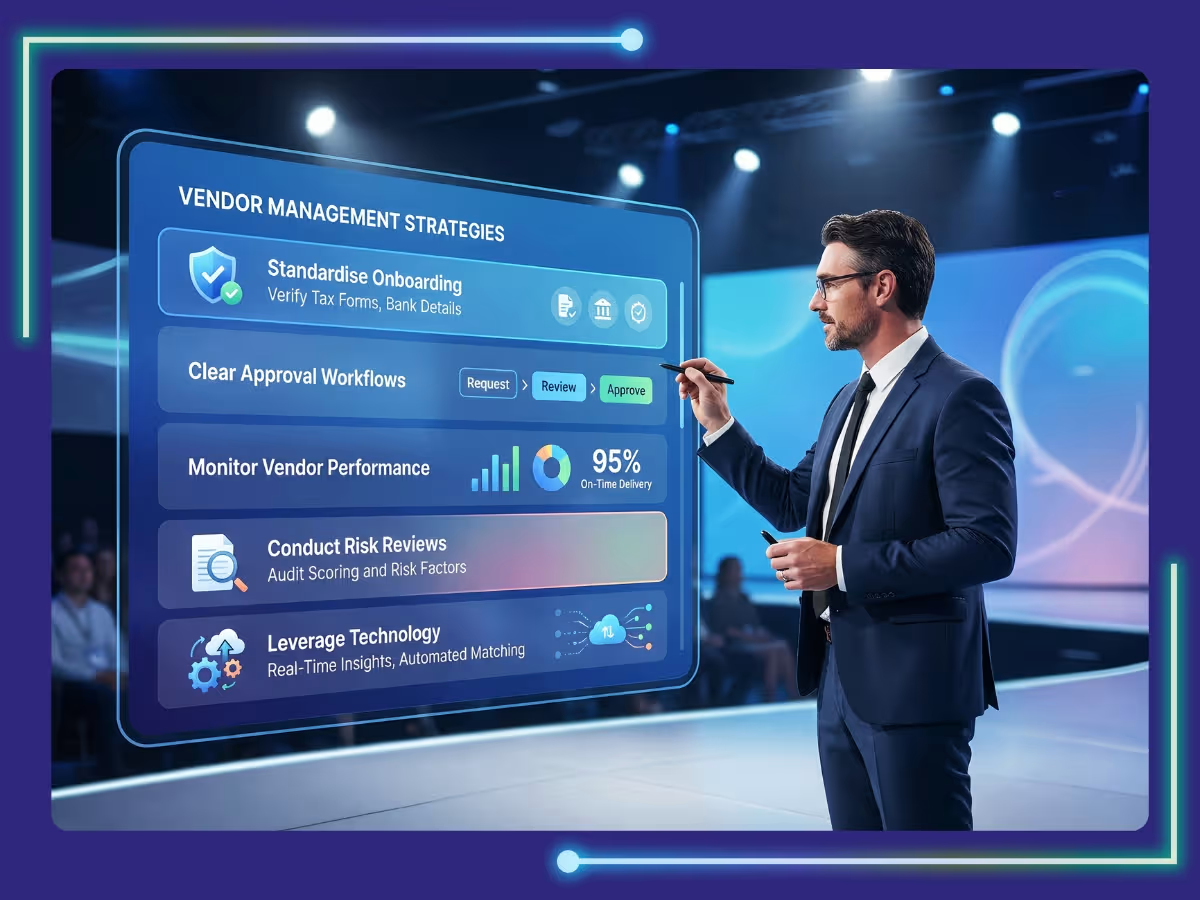
Top 5 Ways to Strengthen Your Vendor Management Process
Strengthen your vendor management process by conducting risk-based due diligence, defining clear KPIs, leveraging vendor management software, building strategic supplier partnerships, and maintaining comprehensive, standardised contracts. Let’s take a closer look at how each of these strategies can be implemented effectively.
Conduct Rigorous Risk Assessment & Due Diligence
Before onboarding a supplier, businesses should perform structured, documented, and risk-based due diligence procedures aligned with regulatory and operational requirements to minimise financial, legal, operational, and reputational risks. This includes
- Financial health checks (ASIC company searches, credit reports)
- Compliance verification (Modern Slavery statements, insurance certificates)
- Data security review (especially for IT vendors handling sensitive data)
- ESG and sustainability assessment
Establish Clear KPIs & Performance Metrics
Clear, measurable standards are essential to ensure vendor accountability and consistent service delivery. Without defined benchmarks, performance becomes subjective and difficult to evaluate effectively. A structured vendor performance management process should include:
- Clearly defined Service Level Agreements (SLAs)
- Specific, measurable Key Performance Indicators (KPIs)
- Agreed reporting frequency (monthly or quarterly)
- Documented escalation procedures
- Financial penalties or service credits for non-performance
Setting objective metrics ensures transparency, enables data-driven reviews, and supports continuous performance improvement across your vendor management process.

Use Centralised Vendor Management Software (VMS)
Modern procurement requires visibility, automation, and control. Relying on spreadsheets increases risk, reduces efficiency, and limits oversight across contracts, compliance documents, and supplier performance tracking. Implementing vendor management software allows businesses to:
- Centralise contracts and supplier documentation
- Track KPIs and SLA compliance in real time
- Automate onboarding and approval workflows
- Store insurance certificates and compliance records
- Monitor spend by supplier
For example, an Australian construction company managing multiple subcontractors can use automated alerts to track licence expirations and safety certifications, preventing compliance gaps. When integrated with Xero or MYOB and supported by accounts payable automation, businesses gain better spend visibility, tighter cost control, and a stronger overall vendor management process.
Foster Strategic Partnerships
Strong vendor management extends beyond price negotiations. Long-term value is created when businesses collaborate with suppliers to improve efficiency, manage risk, and drive innovation together. Businesses benefit from:
- Long-term agreements with trusted suppliers
- Joint cost-reduction initiatives
- Shared innovation or process improvements
- Transparent communication during disruptions
For instance, during supply chain disruptions, Australian retailers who collaborated closely with freight partners secured priority capacity and reduced stock shortages. Bi-annual supplier review meetings should cover:
- Performance trends
- Cost optimisation opportunities
- Market risks
- Demand forecasts
Treating key vendors as strategic partners strengthens accountability and encourages continuous improvement.
Maintain Comprehensive & Standardised Contracts
Clear, consistent contracts form the foundation of an effective vendor management framework. Standardisation reduces ambiguity, strengthens compliance, and protects the organisation from legal and financial risk. Essential clauses in Australian vendor contracts include:
- Defined scope of services
- Payment terms and GST obligations
- SLA and KPI requirements
- Confidentiality and privacy compliance (Privacy Act 1988)
- Termination and dispute resolution procedures
- Indemnity and liability limitations
Regular contract reviews help identify outdated pricing, missed renegotiation opportunities, and compliance gaps, ensuring contracts remain aligned with business objectives.
Strengthen Your Vendor Management with the Right Accounting Partner
Effective vendor oversight extends beyond procurement; it has a direct impact on financial stability and long-term profitability. Accurate reporting, cash flow visibility, and spend analysis are key to strengthening your vendor management process and reducing risk.
If managing supplier payments and performance tracking feels overwhelming, partnering with experienced accounting professionals, including reliable accounts payable services, can provide greater clarity and control. From preventing duplicate payments to identifying cost trends and improving forecasts, the right support ensures no financial risks or savings opportunities are missed.
At Whiz Consulting, we help Australian businesses align procurement strategy with strong financial oversight. Our expert team of virtual accountants delivers accurate reporting, detailed spend analysis, and compliance support to strengthen your vendor performance management process. Let us help you implement smarter financial controls, reduce risk exposure, and drive sustainable business growth.

Get customized plan that supports your growth

Have questions in mind? Find answers here...
AI streamlines procurement by automating invoice matching, spend analysis, and supplier risk assessments. It can detect unusual payment patterns, forecast demand, and flag potential supply disruptions. For example, an Australian retailer can use AI to predict seasonal demand and adjust supplier orders accordingly, reducing overstocking or shortages.
The most effective approach is using cloud-based vendor or contract management software. This centralises agreements, tracks renewal dates, and sends automated alerts. For instance, an Australian construction firm can receive reminders before subcontractor insurance policies expire, preventing compliance gaps.
Vendor management software improves visibility, tracks KPIs and SLAs, stores compliance documents, and integrates with accounting systems. For Australian businesses, it also supports regulatory compliance and reduces risk by automating reporting and document tracking.
Common mistakes include skipping due diligence, failing to define KPIs, relying on informal contracts, and not reviewing supplier performance regularly. For example, not monitoring delivery timelines can result in stock shortages and lost revenue.
Businesses should verify supplier licenses, insurance, and compliance with Australian laws such as privacy and workplace regulations. Regular audits and clear contract clauses help minimise legal and reputational risk.
Monitor performance by setting clear KPIs, reviewing reports monthly or quarterly, and conducting formal supplier reviews. For example, tracking a logistics provider’s on-time delivery rate helps identify service issues early and take corrective action.
Thousands of business owners trust Whiz to manage their account
Let us take care of your books and make this financial year a good one.