

Table of Content
Share This Article
- Last Updated: Sep 1, 2026
- 🔊 Listen
TL;DR
- Strong accounts payable management practices that Australian businesses use improves cash flow, GST compliance, and supplier relationships.
- AP automation and strong internal controls reduce manual errors, delays, and fraud risks.
- Managing accounts payable while maintaining ATO compliance correctly helps improve BAS accuracy and audit readiness.
- AP outsourcing Australia solutions help businesses improve efficiency and scale finance operations more effectively.
Accounts payable management is the process of tracking, approving, reconciling, and paying supplier invoices while maintaining GST accuracy, BAS compliance, and financial control. Strong accounts payable management practices for Australian businesses also improve cash flow visibility, supplier relationships, and operational efficiency.
For Australian businesses, AP management now directly affects ATO compliance, fraud prevention, reporting accuracy, and payment workflows. This complete AP management guide for Australian businesses explains how to improve your accounts payable process through automation, internal controls, outsourcing, AP KPIs, and best practices that help reduce bottlenecks, strengthen compliance, and build a more scalable finance function.

Fix Your AP Workflow Today
Stop Invoice Delays, Duplicate Payments & GST Errors Before They Cost You
What is Accounts Payable Management?
Accounts payable management for Australia businesses follow refers to the full process of receiving supplier invoices, validating payments, maintaining GST records, approving disbursements, and reconciling accounts payable balances.
A typical accounts payable process used by Australian businesses use includes:
- Invoice receipt and verification
- GST coding and validation
- Approval workflows
- Supplier payment scheduling
- EFT and BECS Direct Entry processing
- Supplier reconciliations
- BAS AP compliance Australia reporting
For Australian businesses, AP management also connects closely with:
- ATO payment obligations
- GST AP reconciliation
- ASIC AP compliance expectations
- Cash flow planning
- Fraud prevention controls
Strong AP workflow implemented by Australian businesses reduces operational delays while improving financial visibility and reporting accuracy.
How Do ATO Compliance and GST Affect Accounts Payable Management in Australia?
Accounts payable management in Australia must support accurate GST coding, BAS reporting, and supplier invoice validation to meet ATO requirements. Poor GST AP reconciliation and weak ATO compliance procedures within the accounts payable process can increase audit risks, reporting errors, and supplier payment issues.
- Your accounts payable process should include proper GST invoice validation and accurate BAS reporting before lodgement deadlines.
- Strong AP management GST compliance procedures help reduce duplicate invoices, GST reconciliation errors, and ATO payment obligation risks.
- AP best practices for Australian businesses implement improve invoice processing while strengthening AP fraud prevention controls and financial reporting accuracy.
- Your AP workflow should also maintain clear audit trails for supplier payments, EFT transactions, and GST substantiation records.
- Regular GST AP reconciliation reviews help Australian businesses identify BAS coding mistakes, missing invoices, and unreconciled supplier balances earlier.
- Accounts payable management systems that Australian businesses automate can improve GST accuracy, reduce manual processing risks, and strengthen compliance visibility.
- Strong AP internal controls for Australian businesses also support ASIC AP compliance expectations and reduce financial reporting inconsistencies.
What Are the Top Accounts Payable Challenges in Australia?
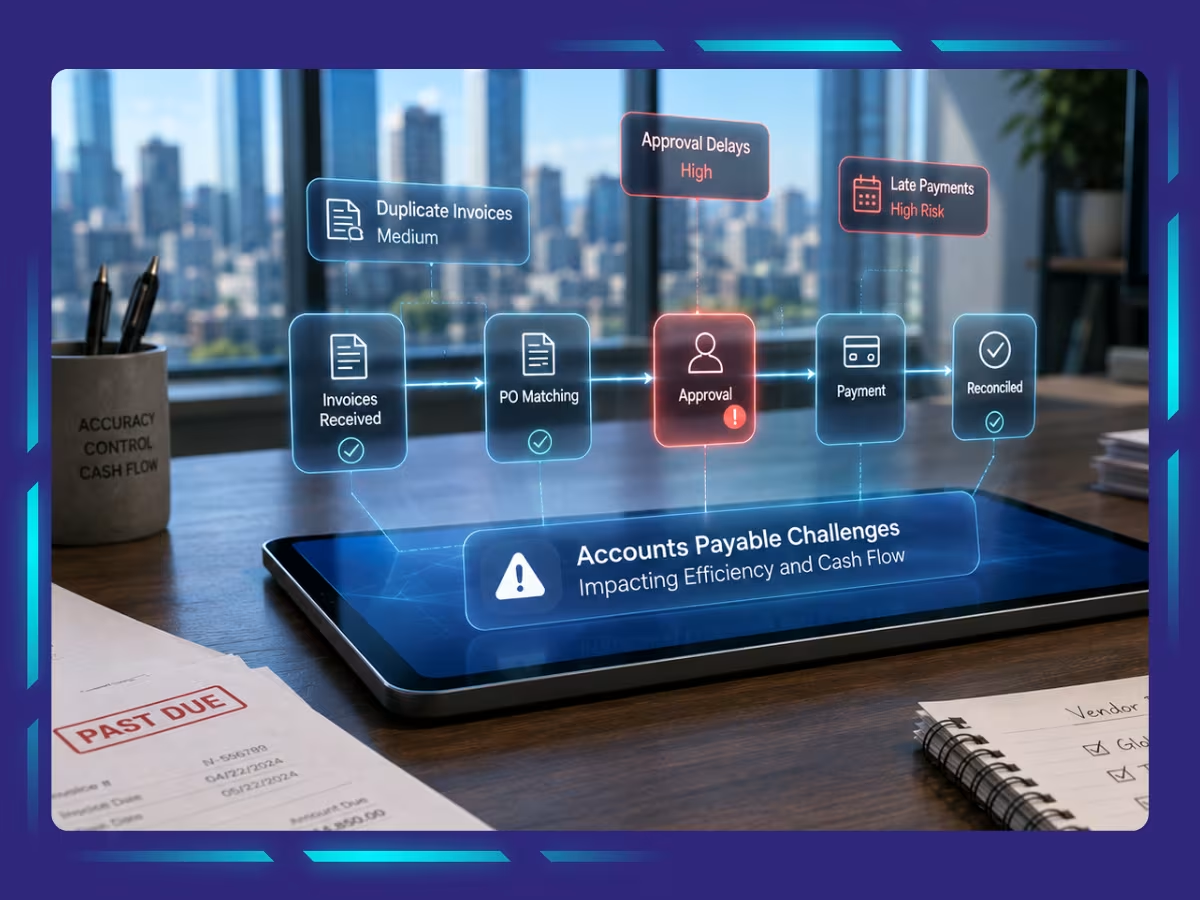
Accounts payable challenges have become common for Australian businesses due to GST compliance, manual invoice processing, supplier payment delays, and growing audit expectations. Weak accounts payable process workflows can create cash flow issues, reporting errors, and operational bottlenecks.
Manual Invoice Processing Slows Your AP Workflow
Many businesses still depend on manual invoice processing in Australia that slow approvals, increase duplicate invoices, and create data entry errors. Weak accounts payable management also reduce visibility across finance teams, making your accounts payable process in Australia harder to manage accurately during busy reporting periods.
GST Reconciliation and BAS Errors Create Compliance Risks
Poor GST AP reconciliation processes can create BAS compliance issues, incorrect GST claims, and reporting inconsistencies that increase managing ATO compliance risks. Without structured AP best practices Australian businesses can follow, even small invoice coding mistakes may trigger larger financial reporting and audit problems over time.
Late Supplier Payments Affect Business Relationships
Delayed approvals and inefficient AP workflow often create late supplier payments, operational bottlenecks, and supplier disputes. These accounts payable management challenges also affect cash flow, making it harder for businesses to maintain stable working capital and stronger vendor relationships.
Limited AP Visibility Reduces Financial Control
Many businesses struggle with limited visibility into liabilities, supplier balances, and payment cycles because their accounts payable process in Australia lacks real-time reporting. Weak AP KPIs for Australian businesses can reduce forecasting accuracy, delay decision-making, and create unnecessary pressure during BAS and ATO reporting periods.
Weak AP Internal Controls Increase Fraud Risks
Poor AP internal controls for Australian businesses can increase duplicate invoices, unauthorised EFT payments, and AP fraud prevention risks. Without proper approval workflows, supplier verification checks, and audit trails, businesses may face larger compliance and financial control challenges.
What AP Internal Controls Should Australian Businesses Implement?

Strong AP internal controls Australian businesses implement help reduce fraud, improve GST accuracy, strengthen managing ATO compliance, and improve financial visibility. A structured accounts payable process for Australian businesses also reduces duplicate invoices, approval delays, and AP fraud prevention risks.
Separate AP Responsibilities Across Your Finance Team
Your accounts payable management in Australia should divide supplier onboarding, invoice approvals, payment processing, and reconciliations across multiple employees instead of allowing one person to control the entire AP workflow. This strengthens AP best practices for Australian businesses while reducing fraud exposure and approval manipulation risks.
Verify Suppliers Before Adding Them to Your AP System
Your accounts payable process should include supplier verification procedures like ABN checks, GST registration validation, and independent confirmation of bank account details before any EFT payment is processed. These controls reduce fake vendor scams, duplicate invoices, and AP fraud prevention concerns.
Match Purchase Orders, Invoices, and Delivery Records
Strong accounts payable management workflows should compare supplier invoices against purchase orders and goods received records before approvals occur. This improves invoice processing accuracy, reduces overpayments, and helps businesses identify incorrect billing or duplicate transactions earlier.
Build Structured Invoice Approval Workflows
An efficient AP workflow Australian business owners should include approval hierarchies based on invoice values, spending limits, and department authority. Structured approvals improve cash flow visibility, reduce delayed supplier payments, and strengthen managing ATO compliance during BAS reporting periods.
Restrict Access to Your AP and Accounting Systems
Your AP internal controls should limit system access based on employee responsibilities. Controlled permissions reduce unauthorised EFT payments, financial data manipulation, and reporting inconsistencies while improving overall accounts payable management security and audit readiness.
Apply Multi-Level Payment Approval Controls
Businesses should require secondary approval for payment batches, high-value transactions, and supplier bank changes before releasing EFT or BECS Direct Entry payments. Multi-level authorisation improves AP fraud prevention controls while reducing unauthorised disbursement risks within the accounts payable process that Australian businesses manage daily.
Reconcile AP Records and Supplier Statements Monthly
Regular GST AP reconciliation reviews help finance teams identify missing invoices, duplicate transactions, BAS compliance errors, and unreconciled supplier balances before reporting deadlines arrive. Monthly reconciliations also improve AP KPIs for financial visibility and cash flow planning.
Maintain Detailed Audit Trails for Every AP Transaction
Strong AP internal controls should maintain document invoice approvals, supplier communications, EFT records, GST coding activity, and reconciliation adjustments. Clear audit trails improve managing ATO compliance, support ASIC compliance expectations, and strengthen long-term reporting accuracy.
Which AP Automation Tools Are Best for Australian Businesses?
AP automation tools help businesses reduce manual invoice processing, improve GST accuracy, strengthen managing ATO compliance, and speed up supplier approvals. The right accounts payable automation software also improves cash flow visibility and reduces operational bottlenecks.
Xero
Xero combined with Hubdoc helps small and growing businesses automate invoice capture, GST coding, approvals, and bank reconciliations. This accounts payable process in Australia reduces manual invoice processing errors while improving AP management GST compliance visibility and supplier payment tracking.
MYOB
MYOB offers automated invoice matching, approval hierarchies, audit trails, and EFT payment controls for businesses handling larger transaction volumes. It strengthens reporting while helping finance teams improve GST AP reconciliation and BAS compliance accuracy.
Lightyear
Lightyear helps Australian businesses automate invoice extraction, three-way matching, and supplier approval workflows. Businesses managing high invoice volumes use it to improve AP workflow for Australian business, reduce duplicate invoices, and strengthen fraud prevention controls within their AP management processes.
ApprovalMax
ApprovalMax is widely used with Xero and QuickBooks to automate invoice approvals, payment authorisation, and audit trails. It improves internal controls for Australian businesses while reducing delayed approvals, manual follow-ups, and managing ATO compliance risks.
Tipalti
Tipalti supports businesses handling global suppliers, high transaction volumes, and complex tax documentation requirements. Its automation features improve invoice processing workflows, supplier onboarding, and GST compliance tracking across larger finance operations.
Wiise
Wiise combines ERP functionality with AP automation capabilities, helping businesses centralise invoice approvals, payment scheduling, reconciliations, and financial reporting. It improves KPIs while strengthening long-term scalability.
Why Are Australian Businesses Outsourcing Accounts Payable Management?
Businesses outsourcing accounts payable management in Australia can reduce manual workload, improve GST accuracy, strengthen ATO compliance, and speed up invoice processing. Outsourcing also improves AP cash flow visibility while reducing approval delays, staffing pressure, and operational bottlenecks.
Reduce Manual AP Workload and Processing Delays
Many businesses outsource accounts payable process to reduce manual invoice processing tasks, approval backlogs, and repetitive reconciliation work. Dedicated AP support improves processing speed, reduces data entry errors, and helps finance teams focus on higher-value financial reporting and cash flow planning activities.
Improve GST Accuracy and ATO Compliance Readiness
AP outsourcing help businesses strengthen GST AP reconciliation, BAS compliance reporting, and invoice verification procedures. Structured outsourcing workflows also improve ATO compliance while reducing duplicate invoices, GST coding mistakes, and reporting inconsistencies that can increase audit risks.
Strengthen AP Internal Controls and Fraud Prevention
Businesses often outsource accounts payable management in Australia to improve approval workflows, supplier verification procedures, and AP fraud prevention controls. Outsourced finance teams maintain stronger audit trails, segregation of duties, and payment review systems that improve long-term financial accuracy and security.
Improve AP Cash Flow Visibility and Supplier Management
An outsourced AP workflow for Australian improves supplier communication, payment scheduling, and liability tracking. Better AP cash flow visibility helps businesses manage working capital more efficiently while reducing supplier disputes, delayed payments, and operational disruptions.
Access Skilled AP Support Without Expanding Internal Teams
AP outsourcing services in Australia help businesses overcome staffing shortages without increasing internal hiring costs. Experienced outsourced accounting services providers manage invoice workflows, reconciliations, reporting, and supplier coordination while supporting scalable accounts payable management.
Integrate AP Automation and Cloud Accounting More Efficiently
Many outsourced AP providers work directly with Xero, MYOB, Wiise, QuickBooks, and other cloud accounting systems. This helps businesses automate approvals, improve reporting visibility, and maintain stronger financial control across finance operations.
Improve Supplier Payment Timelines and Communication
Outsourced accounts payable management services in Australia help businesses maintain consistent supplier payment schedules and faster invoice approvals. Better supplier communication reduces payment disputes, strengthens vendor relationships, and improves the overall accounts payable process for Australian businesses relies on for operational continuity.
Scale AP Operations During Business Growth
As businesses grow, invoice volumes, supplier transactions, and compliance obligations also increase. Outsourced AP support helps businesses scale their finance workflows without disrupting reporting accuracy, GST compliance, or internal finance efficiency during expansion phases.
Reduce Operational Costs Across Finance Functions
Many businesses outsource AP functions to lower operational expenses linked to staffing, training, software management, and manual processing. A streamlined accounts payable process helps improve productivity while reducing long-term finance administration costs and approval inefficiencies.
Improve Reporting Accuracy and Financial Visibility
Outsourced AP teams help businesses maintain cleaner reconciliations, real-time liability tracking, and stronger financial reporting for decision-making. Improved reporting visibility also supports better cash flow forecasting and financial planning accuracy.
How Can Businesses Optimise Accounts Payable to Improve Cash Flow in Australia?

Accounts payable management that Australian businesses optimise correctly helps improve working capital, supplier payment visibility, and financial stability. A structured accounts payable process also reduces late payments, improves cash flow forecasting, and strengthens compliance accuracy.
Automate Invoice Processing to Reduce Payment Delays
Businesses using accounting automation tools in Australia can reduce manual invoice processing delays, speed up approvals, and improve payment scheduling accuracy. Faster invoice workflows improve operational efficiency while helping finance teams maintain stronger cash flow visibility.
Centralise AP Approvals for Better Payment Control
A centralised AP workflow improves invoice tracking, reduces approval bottlenecks, and strengthens supplier payment consistency. Better approval visibility also helps businesses maintain stronger financial controls and avoid unnecessary late payment penalties.
Improve GST Reconciliation Before BAS Deadlines
Regular GST reconciliation reviews help businesses identify incorrect invoice coding, duplicate invoices, and BAS reporting issues earlier. Strong compliance processes improve reporting accuracy while reducing cash flow disruptions caused by GST adjustments or audit corrections.
Schedule Supplier Payments Strategically
Businesses can improve cash flow management by scheduling EFT and BECS Direct Entry payments closer to supplier due dates while still maintaining positive vendor relationships. Structured payment planning improves working capital control without creating unnecessary supplier disputes or operational delays.
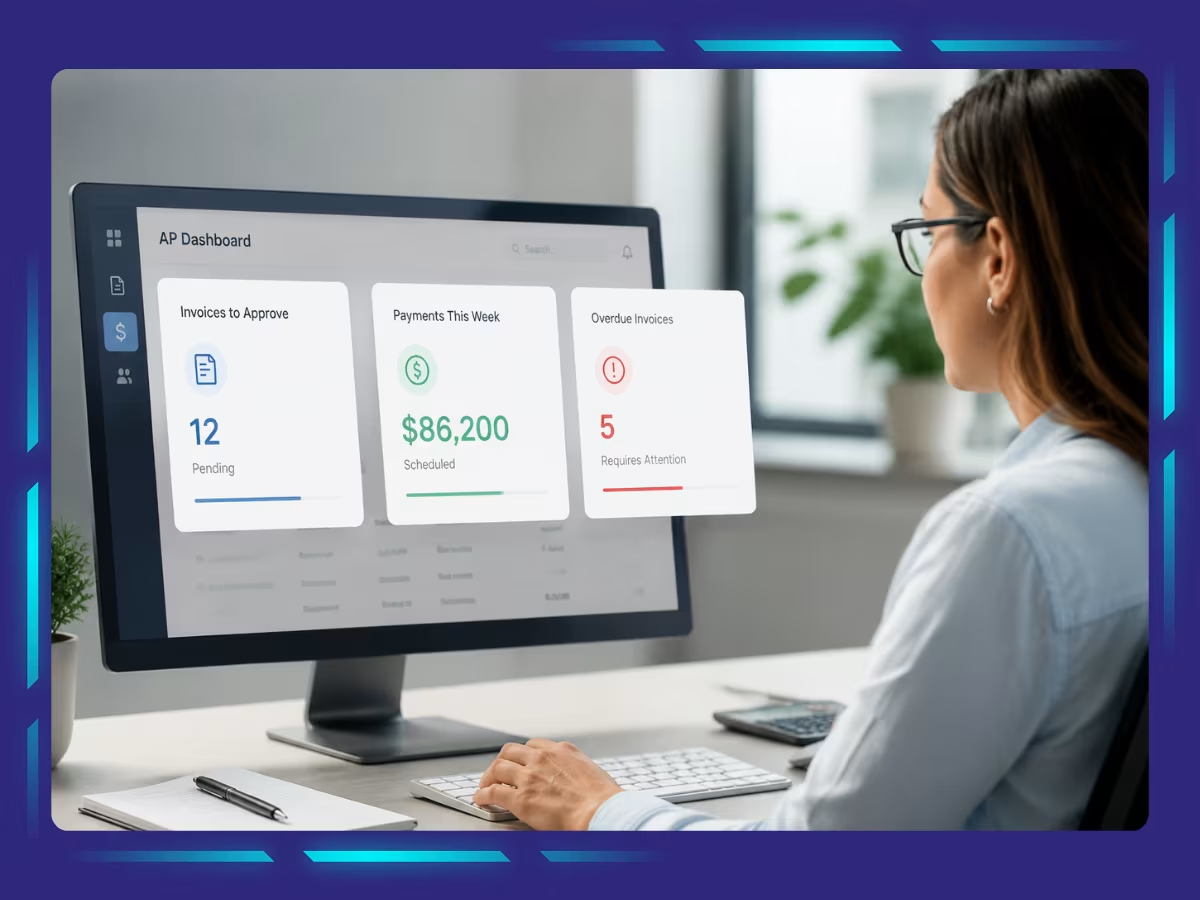
Use Real-Time AP Reporting and Dashboards
Real-time AP reporting helps businesses track liabilities, overdue invoices, upcoming payment cycles, and supplier obligations more accurately. Better reporting visibility strengthens decision-making and improves long-term financial forecasting.
Negotiate Better Supplier Payment Terms
Strong supplier relationships give businesses more flexibility to negotiate extended payment terms, early payment discounts, or staggered billing arrangements. Optimising supplier agreements improves operational efficiency while helping businesses maintain healthier cash flow.
Strengthen AP Internal Controls to Reduce Financial Leakage
Poor AP internal controls for Australian businesses often create duplicate invoices, unauthorised payments, and AP fraud risks that quietly affect cash flow. Strong approval workflows and supplier verification procedures help businesses protect working capital more effectively.
Reduce Invoice Errors Through AP Automation
Invoice coding mistakes and AP data entry errors frequently create payment delays and reconciliation issues. AP automation systems improve invoice accuracy, reduce manual corrections, and strengthen reporting consistency.
Monitor AP KPIs Consistently
Tracking AP KPIs such as Days Payable Outstanding (DPO), invoice processing time, and overdue supplier balances helps businesses identify cash flow pressure earlier and improve overall accounts payable performance.
Which AP KPIs and Reports Should Australian Finance Teams Track?
Accounts payable management for Australian businesses improve significantly when finance teams track the right AP KPIs and reporting metrics. Strong reporting practises helps improve cash flow visibility, strengthen managing ATO compliance, and reduce invoice processing and supplier payment risks.
Track Days Payable Outstanding to Monitor Cash Flow
Days Payable Outstanding (DPO) helps finance teams measure how long a business takes to pay suppliers. Monitoring this KPI improves cash flow planning while helping businesses balance supplier relationships and working capital more effectively.
Measure Invoice Processing Time Regularly
Tracking invoice processing timelines helps businesses identify approval bottlenecks, manual delays, and inefficient workflows. Faster processing improves operational efficiency while reducing late supplier payments and operational disruptions.
Monitor Duplicate Invoice and Payment Error Rates
Businesses should track duplicate invoices, payment corrections, and AP data entry errors regularly. These reporting metrics help strengthen internal controls while reducing fraud risks and financial leakage.
Review GST Reconciliation Accuracy Before BAS Reporting
Regular GST reconciliation reporting helps businesses identify coding errors, unreconciled supplier balances, and BAS reporting issues before lodgement deadlines. Strong GST reporting accuracy also improves compliance and reduces audit exposure.
Analyse Supplier Payment Performance and Disputes
Monitoring overdue invoices, supplier disputes, and payment turnaround times helps businesses improve operational efficiency and supplier communication. Strong supplier reporting also supports smoother vendor relationships.
Monitor AP Aging Reports for Liability Visibility
AP aging reports help finance teams track outstanding supplier liabilities based on payment due dates. Better aging visibility improves forecasting while helping businesses avoid overdue payments, cash flow pressure, and supplier escalation issues.
Track Approval Delays Across AP Workflows
Approval delay reporting helps businesses identify inefficiencies within daily AP workflows. Businesses with faster approvals generally improve cash flow management while reducing supplier payment delays and operational bottlenecks.
Measure AP Automation Efficiency and Processing Accuracy
Businesses using AP automation tools should monitor automation rates, invoice matching accuracy, and exception handling volumes. These KPIs help finance teams improve invoice workflows while reducing manual workload and reporting inconsistencies.
Review Fraud Prevention and Audit Trail Reporting
Tracking failed approvals, suspicious supplier changes, and unauthorised payment attempts strengthens fraud prevention controls. Clear audit reporting also improves compliance visibility and supports long-term financial governance.
Drive Better Cash Flow and Financial Control with Smarter Accounts Payable Management
Strong accounts payable management Australia businesses implement today is essential for maintaining healthy cash flow, improving GST and BAS accuracy, reducing approval bottlenecks, and building stronger supplier relationships. A well-structured accounts payable process Australia businesses can rely on also improves financial visibility, reduces manual inefficiencies, and supports long-term operational stability.
At Whiz Consulting, we help businesses streamline and strengthen their AP operations through automation, reconciliations, reporting support, and dedicated finance expertise. From invoice processing and supplier coordination to AP compliance and workflow optimisation, our tailored accounts payable services help businesses operate more efficiently, reduce financial risks, and scale with greater confidence.

Get customized plan that supports your growth

Have questions in mind? Find answers here...
Strong accounts payable management in Australia improve cash flow visibility, reduce payment delays, maintain supplier relationships, strengthen GST compliance, and reduce financial reporting errors.
A typical accounts payable process in Australia businesses use includes invoice receipt, GST validation, approval workflows, supplier payment processing, reconciliations, and BAS reporting preparation.
Most businesses should perform GST AP reconciliation and supplier statement reviews monthly, especially before BAS lodgement deadlines and financial reporting periods.
AP fraud risks usually involve fake supplier requests, altered bank details, duplicate invoices, unauthorised EFT payments, and weak approval workflows.
Businesses improve supplier payment management by automating approvals, improving payment scheduling, tracking AP aging reports, and maintaining clearer communication with vendors.
Thousands of business owners trust Whiz to manage their account
Let us take care of your books and make this financial year a good one.