


Table of Content
Share This Article
- Published: Feb 18, 2026
- Last Updated: Feb 18, 2026
- 🔊 Listen
Quick Reads
- Strong internal controls, like segregation of duties and invoice matching, ensure accuracy and prevent fraud.
- Automation streamlines tasks such as invoice receipt, approval, and payment scheduling, reducing errors.
- Adopting cloud-based solutions, focusing on compliance, and optimizing supplier relationships enhance the AP process.
- Automation and cloud tools provide real-time financial insights, improving visibility into cash flow and pending payments.
- Outsourcing accounts payable to a trusted partner boosts accuracy, compliance, and cost-effectiveness.
- Ongoing training for the AP team ensures they stay current on best practices, automation tools, and regulations.
- Segregating responsibilities among team members reduces the risk of fraud and enhances accountability in the AP process.
- Regular reconciliation of AP records with the general ledger ensures accurate financial statements and early identification of discrepancies.
In today’s business environment, strong financial oversight, especially in accounts payable (AP), is crucial for healthy cash flow. Effective AP controls ensure timely payments, prevent errors, and protect against fraud. For UK businesses, maintaining accuracy and compliance is key to avoiding discrepancies, late payments, and penalties.
Many UK businesses are turning to AP outsourcing and automation to streamline operations and meet regulatory requirements. In this blog, we’ll discuss how to design effective internal controls, review best practices for AP in 2026, and explore how the right accounting partner can help strengthen your AP function.

Accounts Payable Made Easy
Eliminate Errors, Slash Costs with Timely Vendor Payments
How to Design Effective Internal Controls for an Efficient Accounts Payable Process
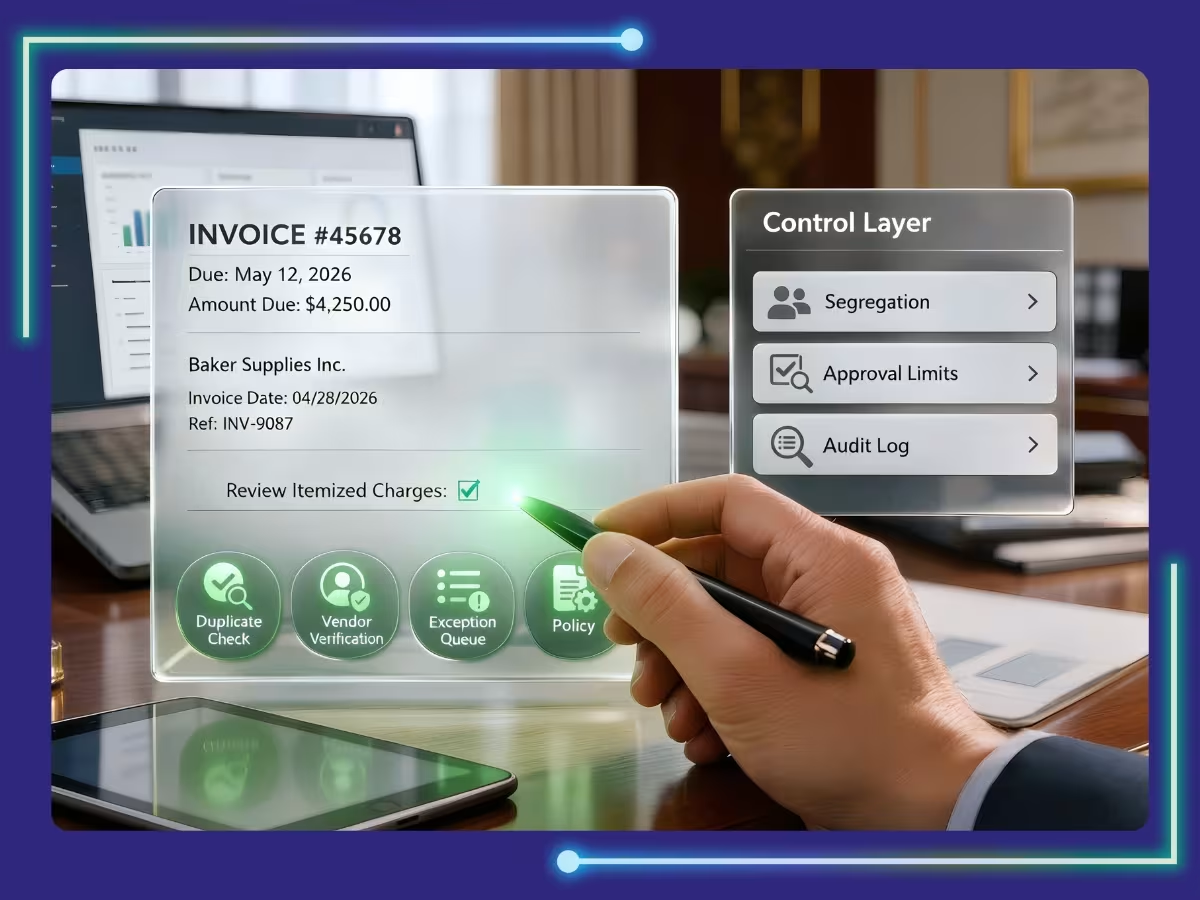
Internal controls are essential for an efficient, accurate, and compliant accounts payable process. They prevent fraud, reduce errors, and ensure timely payments. Key elements include segregation of duties, clear approval processes, invoice matching, regular reconciliation, audit trails, and automation. Let’s explore these key components in more detail:
1. Segregation of Duties in the AP Process:
To reduce fraud and errors, it’s essential to separate responsibilities within the AP process. The individual approving invoices should not be the same person processing payments or managing vendor setup. This segregation ensures that no one person has control over the entire process, which helps mitigate potential fraudulent activities.
2. Implementing Three-Way Matching for Invoice Verification:
A vital control is matching the vendor invoice with the corresponding purchase order (PO) and receiving report (proof of delivery). This three-way matching helps verify that payments are made only for goods and services ordered and received, preventing overpayments or discrepancies.
3. Effective Vendor Management and Verification:
Establish a controlled and authorised vendor list and ensure that any changes to vendor details, such as banking information, contact details, or payment terms, require proper verification. This minimises the risk of fraud and ensures that payments are directed to the correct vendors.
4. Setting Up Clear Approval Workflows for Payments:
Define authority thresholds for invoice approvals, especially for high-value transactions. Ensure that payments, particularly large ones, receive proper managerial sign-off before being processed. This provides an added layer of oversight and accountability.
5. Automation to Streamline AP Controls and Improve Accuracy:
Utilise accounts payable automation tools to digitise workflows and reduce human error. Automation improves efficiency, creates transparent audit trails, and ensures consistent application of internal controls such as invoice matching and approval workflows.
6. Enhancing Payment Security:
Secure check stock in locked areas, avoid using signature stamps, and transition to electronic payments like ACH. These practices reduce the risk of mail fraud and ensure that payments are processed securely and promptly.
7. Regular Reconciliation to Maintain Accurate AP Records:
Perform monthly reconciliations of AP aging reports and bank statements to catch discrepancies early. This ensures that the AP ledger remains accurate and aligned with financial statements, allowing businesses to address issues before they escalate.

Accounts Payable Best Practices for 2026
To stay competitive in 2026, businesses must adopt innovative accounts payable management practices. Automation, cloud-based solutions, and strong supplier relationships improve efficiency, while outsourcing ensures timely payments. Staying compliant with UK regulations, focusing on data accuracy, and investing in employee training are key to maintaining a robust AP process. Let’s focus on these best practices in detail:
1. Adopt Accounts Payable Automation:
Automating the accounts payable process streamlines tasks like invoice receipt, matching, approval, and payment scheduling, reducing manual input and errors. RPA and AI-driven solutions are transforming AP operations, improving efficiency and accuracy.
2. Utilise Cloud-Based AP Solutions:
Cloud-based platforms, such as Xero and QuickBooks Online, allow real-time access to AP data, making it easier for UK businesses to monitor and manage payments across multiple locations. The flexibility and scalability of cloud solutions like Sage Business Cloud and NetSuite enable businesses to quickly adapt to changing financial conditions, ensuring compliance with UK regulations while streamlining their AP processes.
3. Supplier Relationship Management:
Maintaining good relationships with suppliers is crucial for effective AP management. Implement regular communication and ensure your payment terms are transparent. By leveraging accounts payable outsourcing services, you can ensure timely payments and potentially negotiate better payment terms.
4. Compliance and Regulatory Adherence:
Stay updated with UK regulations such as VAT compliance, late payment legislation, and tax obligations. Outsourcing AP services can ensure your business remains compliant with local and international accounting standards.
5. Focus on Data Accuracy and Visibility:
Accurate data is at the heart of every successful AP process. By digitizing your AP operations and automating key tasks, you can gain greater visibility into cash flow, pending invoices, and upcoming payments. Automation can provide alerts and reminders, keeping your AP process on track.
6. Employee Training and Awareness:
Invest in continuous training for your AP team. Keeping them informed about the latest AP technologies, best practices, and regulatory changes ensures that your business stays ahead.
Build a Stronger AP Function with the Right Accounting Partner (CTA)
A strong AP function is built on sound internal controls, effective best practices, and continuous improvement. To truly optimize your accounts payable process, partnering with an expert accounting firm can provide the expertise and technology necessary to enhance accuracy, efficiency, and compliance.
Outsourcing your AP process to a trusted accounting partner can help streamline your operations. By working with a service provider who specializes in accounts payable outsourcing services, you can reduce manual workloads, enhance internal controls, and free up your team to focus on more strategic tasks.
At Whiz Consulting, we provide comprehensive accounts payable outsourcing services tailored to your business’s specific needs. Our solutions help optimise your AP process, improve financial oversight, and drive business growth.

Get customized plan that supports your growth

Have questions in mind? Find answers here...
The key steps in the AP process include receiving and verifying invoices, obtaining approval, scheduling payments, executing payments, and recording transactions in the accounting system for accurate financial reporting.
Automation ensures every transaction is logged, creating a detailed digital record. This provides transparency, reduces manual errors, and makes it easy to track each step of the AP process for compliance and audits.
AP outsourcing is beneficial for both SMEs and larger companies, as it reduces costs, improves efficiency, ensures compliance, and allows SMEs to focus on core functions without investing heavily in internal resources.
In outsourced AP, duties are divided among different teams or individuals. One handles invoice verification, while another handles approval and payment processing, ensuring no single person has full control over the process.
Yes, an outsourced AP team can follow SOx-style controls by maintaining detailed records, implementing approval workflows, and providing audit trails and documentation, ensuring compliance with regulatory standards and financial transparency.
Transitioning AP to an outsourcing provider typically takes 3 to 6 months, depending on factors like data migration, system integration, staff training, and aligning business processes with the outsourced team.
Thousands of business owners trust Whiz to manage their account
Let us take care of your books and make this financial year a good one.




This website uses cookies to improve your experience. You can accept all or reject non-essential cookies.